What Are the Signs of a Slab Leak?
A slab leak is a leak in a water supply or drain line that runs under or inside a home's concrete foundation. Because the pipe is buried, the first signs show up on the floor, the water meter and the water bill, not as a visible drip.
The warning signs in the list below come from This Old House, which also lists water pooling near the foundation or in the garage days after dry weather. One sign alone can have another cause. Two or more together, especially a warm floor plus a moving water meter, point strongly to a leak under the slab.
Age is part of the picture in Irvine. The first phases of Turtle Rock and University Park were finished by 1970, according to the city's history, so any original plumbing left in those homes is more than 50 years old. Age alone does not mean a pipe has failed, but it is a good reason to check the meter the day you notice a warm floor.
- A warm or hot spot on tile, wood or carpet, usually above a hot water line
- The sound of running water behind a wall or under the floor when nothing is turned on
- A water bill that climbs with no change in how the household uses water
- Low water pressure throughout the house
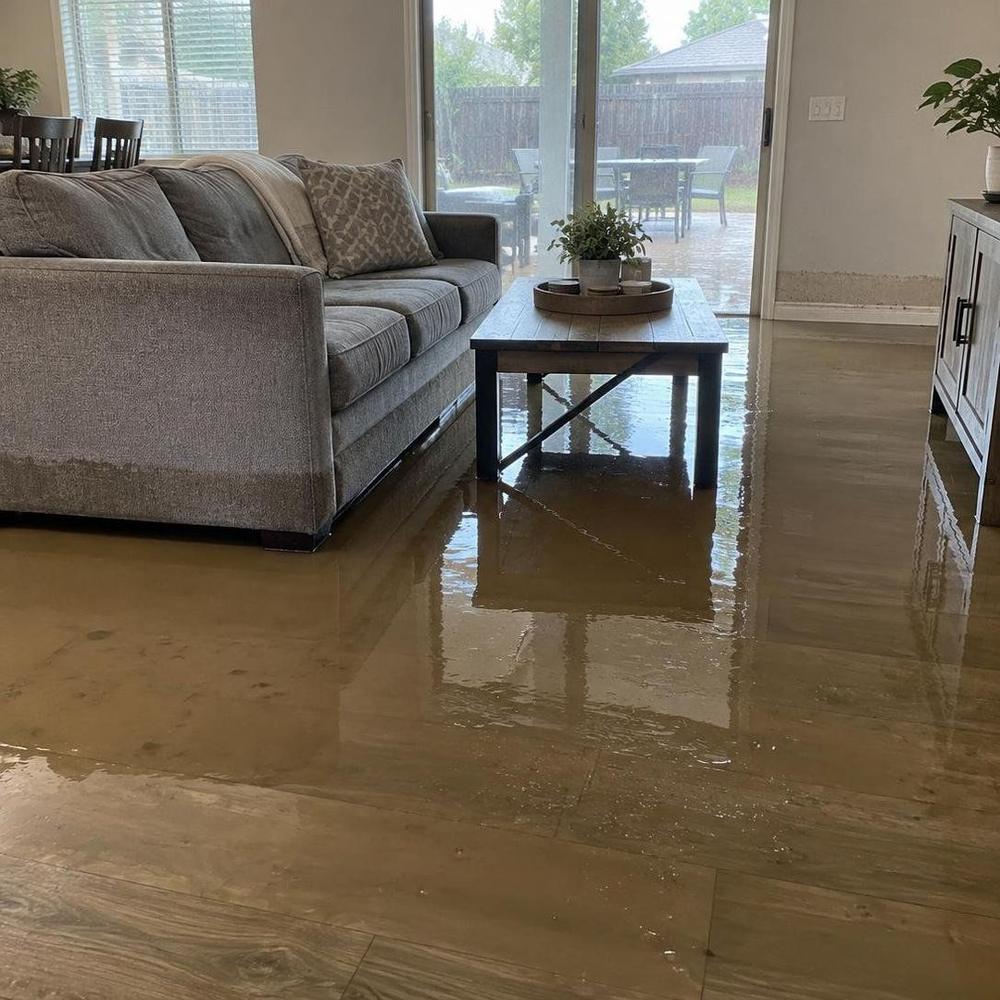
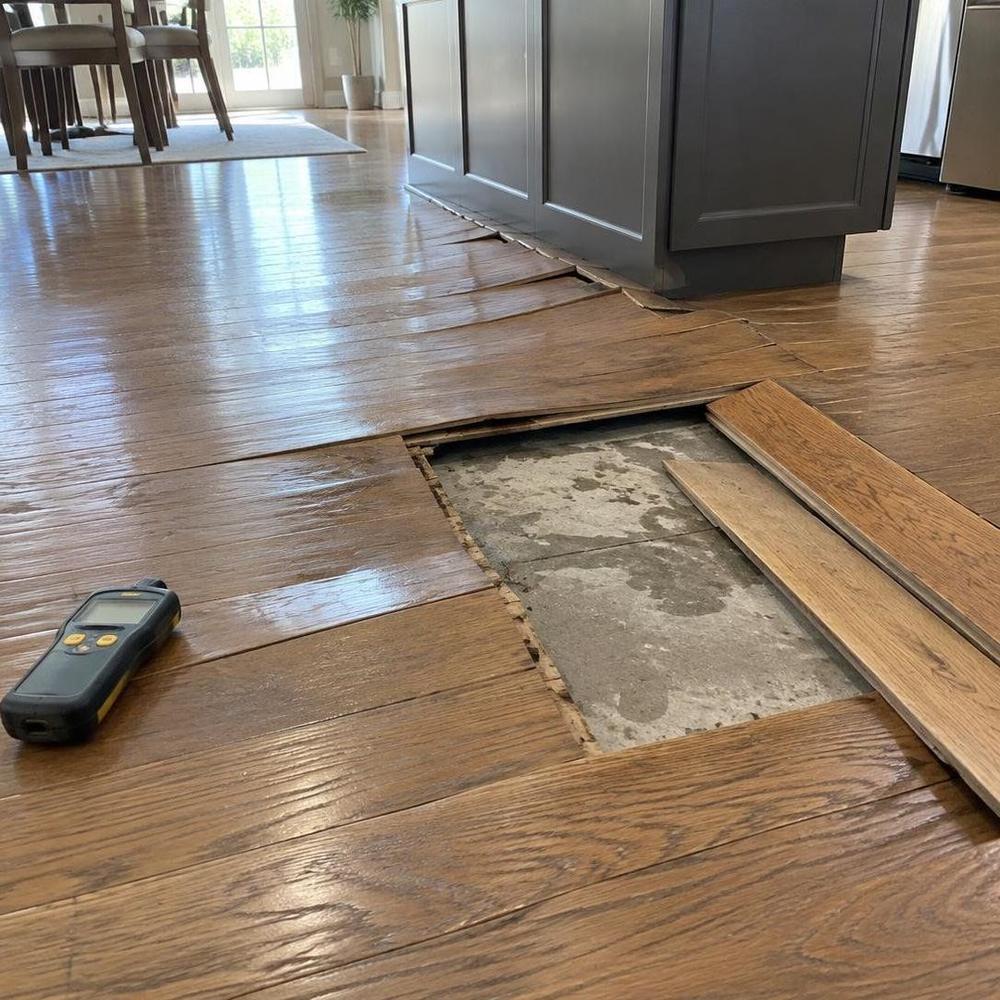
- Carpet that stays damp near walls or baseboards, or flooring that cups, lifts or buckles
- Hairline cracks in lower walls or baseboards, or a musty, earthy smell
How Can I Check for a Slab Leak Myself?
The water meter is the simplest slab leak test an Irvine homeowner can run. With every fixture and appliance off, a meter that keeps moving means water is escaping somewhere on the property.
IRWD says a silent toilet leak can waste more than 40 gallons of water a day, so rule out toilets before assuming the worst. The water heater step in the list below comes from a Contractor magazine leak detection article, which says it cuts the search area roughly in half. A hot-side leak also explains a warm spot on the floor.
If the meter keeps moving, close the house valve. IRWD says it is typically near a hose bib and controls water to the whole house. Closing it keeps a slab leak from soaking more of the floor while you wait for leak detection.
- Turn off every faucet, the irrigation controller, the washer, the dishwasher and the refrigerator ice maker.
- Open the meter box at the curb. Irvine Ranch Water District (IRWD) says the customer valve sits on the side of the meter box closest to the house.
- Watch the meter's low-flow indicator for several minutes. If it spins or creeps, water is still flowing.
- Rule out toilets with dye tablets, as IRWD suggests, and check the sprinklers.
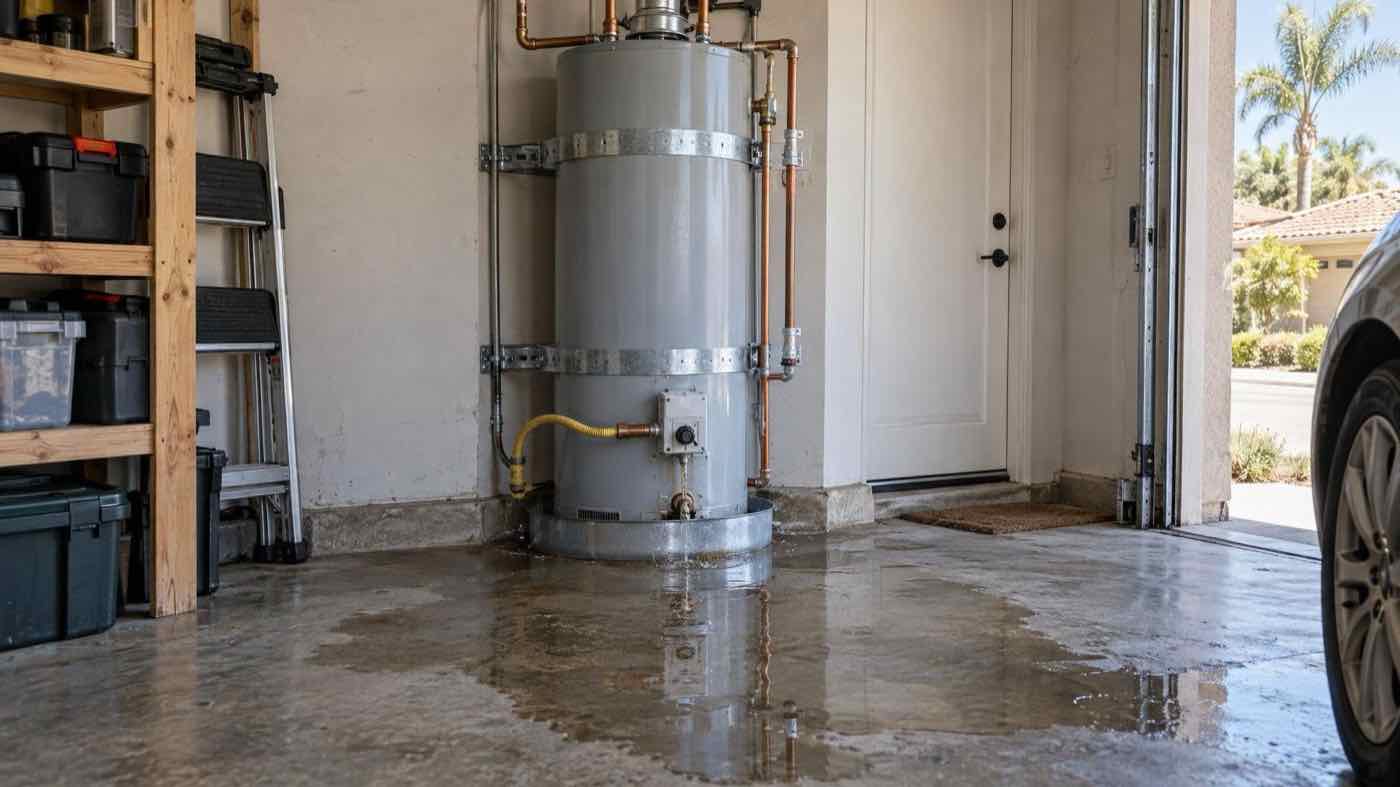
- Close the cold-water inlet valve at the water heater. If the indicator stops, the leak is on the hot side.
How Does Slab Leak Detection Work?
Slab leak detection is the process of confirming a leak, isolating which line is leaking and pinpointing the spot under the concrete before anyone breaks the floor. Done in order, it keeps the opening in the slab small.
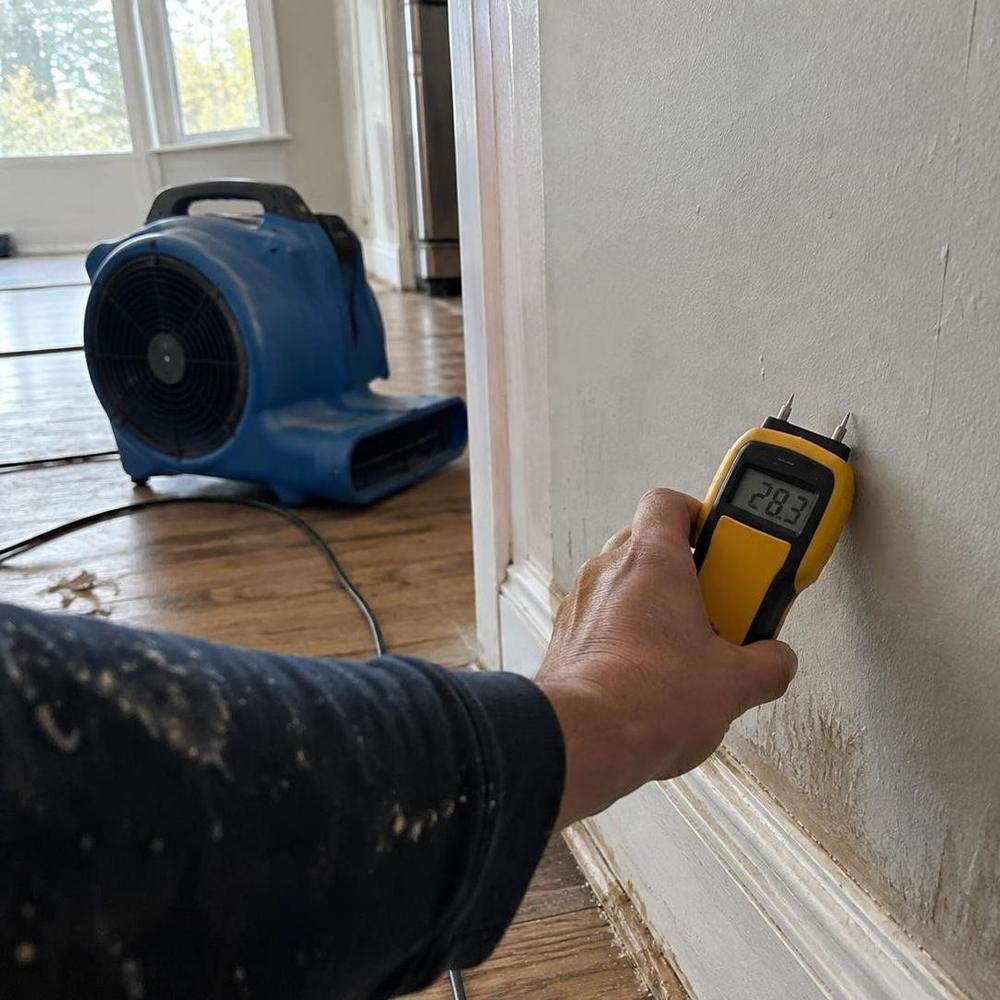
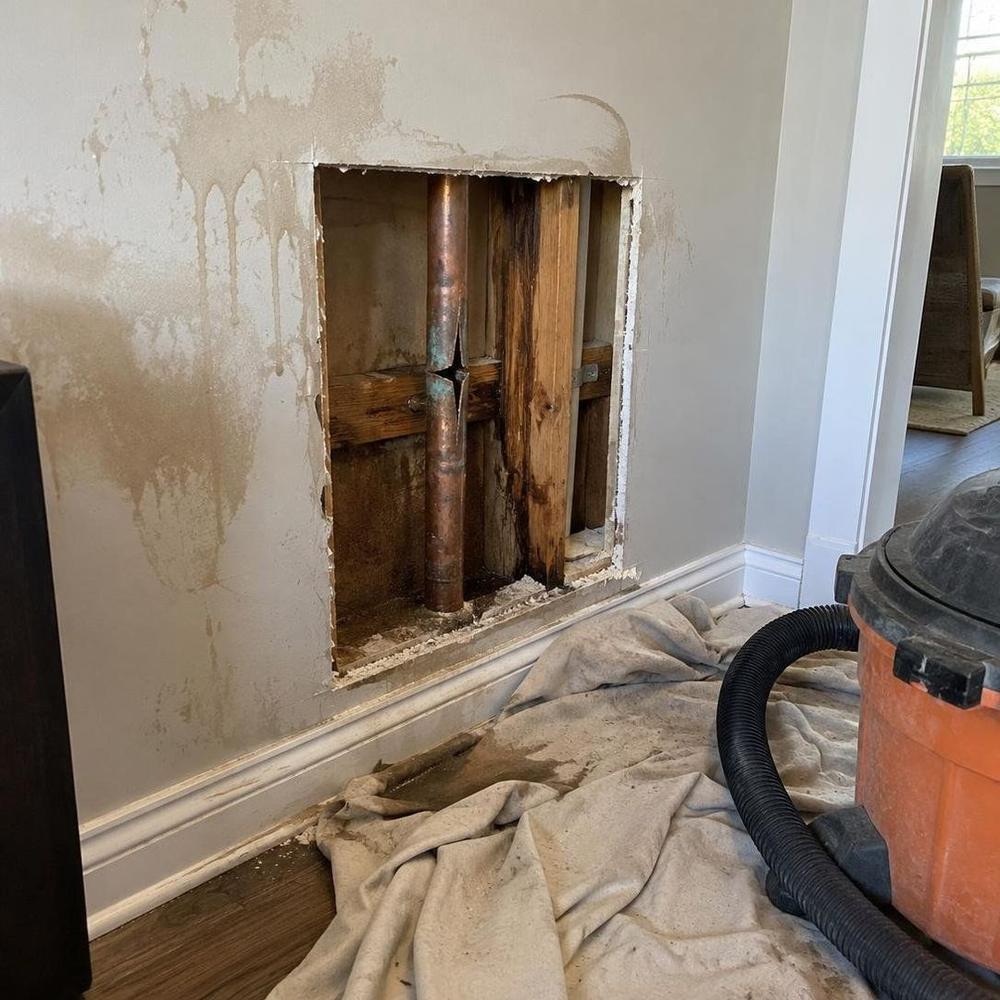
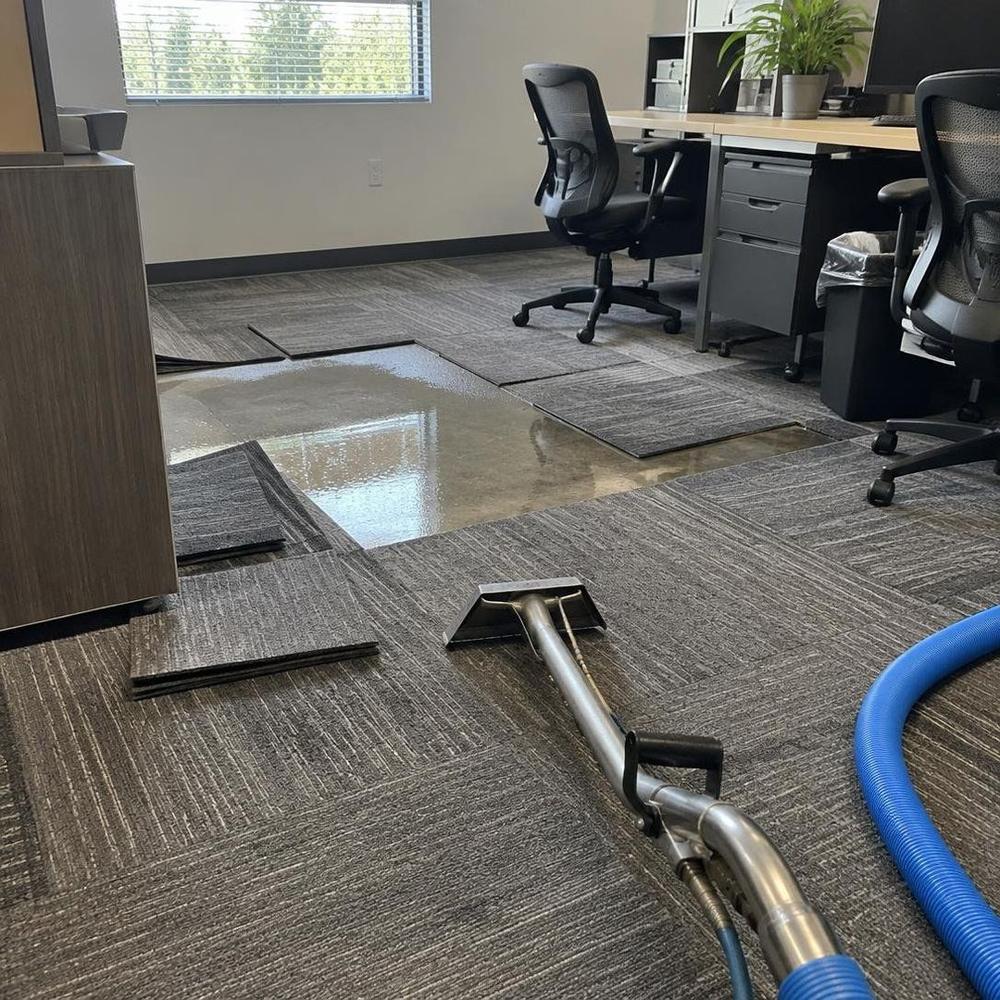
The detection steps below follow the Contractor magazine method. Detection should also map how far the water traveled: moisture readings along baseboards and in the rooms next door show the wet boundary, so drying covers the whole affected area and not just the spot above the leak.
Confirm and isolate the line
A technician first rules out toilets, irrigation, hose bibs, the water heater and the air conditioner condensate line, then separates hot from cold. Each section of supply line is capped and pressurized with air or water. A line that cannot hold pressure has an active leak. A line that holds sends the search to the drains, which are checked with a hydrostatic test and a camera.
Pinpoint the leak
Acoustic equipment such as a ground microphone listens for water escaping through the concrete. Thermal imaging shows the warm plume a hot-side leak leaves on the floor, though it is weaker on cold lines. On plastic pipe or low-pressure lines, a tracer gas of 5 percent hydrogen and 95 percent nitrogen can be pushed through the line and detected at the surface.
Trace and scan before cutting
The pipe route is traced so the acoustic, thermal and gas readings line up with where the pipe actually runs. Before coring, the slab is scanned for rebar, conduit and post-tension cables.
What Are the Repair Options for a Slab Leak?
There are four common ways to fix a slab leak: a spot repair through the floor, an epoxy lining, a reroute that abandons the leaking line, and a full repipe. The right one depends on the pipe's condition and how many leaks the home has had.
This Old House describes the spot repair, epoxy and reroute methods compared in the table below, and Contractor magazine advises weighing pipe condition, water chemistry, repeat failures and the cost of restoring the floor. In Irvine, the City's Residential Re-Pipe permit page asks applicants to state whether the job uses PEX, copper or epoxy lining, and all work is subject to field inspection.
Whatever repair is chosen, the wet slab, subfloor, baseboards and drywall still have to be dried, and drying is finished when moisture readings show each material has reached its dry standard. Service Pros handles slab leak repair in Irvine and the drying and rebuild that follow. A whole-house repipe is work for a licensed plumbing contractor.
| Option | How it works | Usually fits |
|---|---|---|
| Spot repair | The concrete is opened over the leak, the damaged section is cut out and replaced, and the slab and flooring are patched. | One pinpointed leak in pipe that is otherwise sound |
| Epoxy lining | The pipe is cleaned and coated inside with a resin liner that seals the leak without opening the slab. | Lines in fair condition where opening the floor is costly |
| Reroute | The leaking line is left in the slab and a new line runs through the attic or walls. | Long runs under finished floors, or a line that has leaked before |
| Full repipe | The home's supply piping is replaced, usually overhead. | Repeat leaks in different places, or aging pipe throughout |
Does Homeowners Insurance Cover a Slab Leak?
Homeowners insurance often covers water damage from a sudden slab leak and the cost of opening the slab to reach the pipe, but usually not the repair of the pipe itself. A leak that ran for months risks being treated as gradual damage and denied.
The first four rows of the table below follow COUNTRY Financial's plumbing coverage guide. The California Department of Insurance lists sudden and accidental water damage as typically covered, water damage from seepage or leaks as generally not covered, and mold among perils usually excluded. That is why speed matters: a slab leak found and reported quickly is easier to show as sudden.
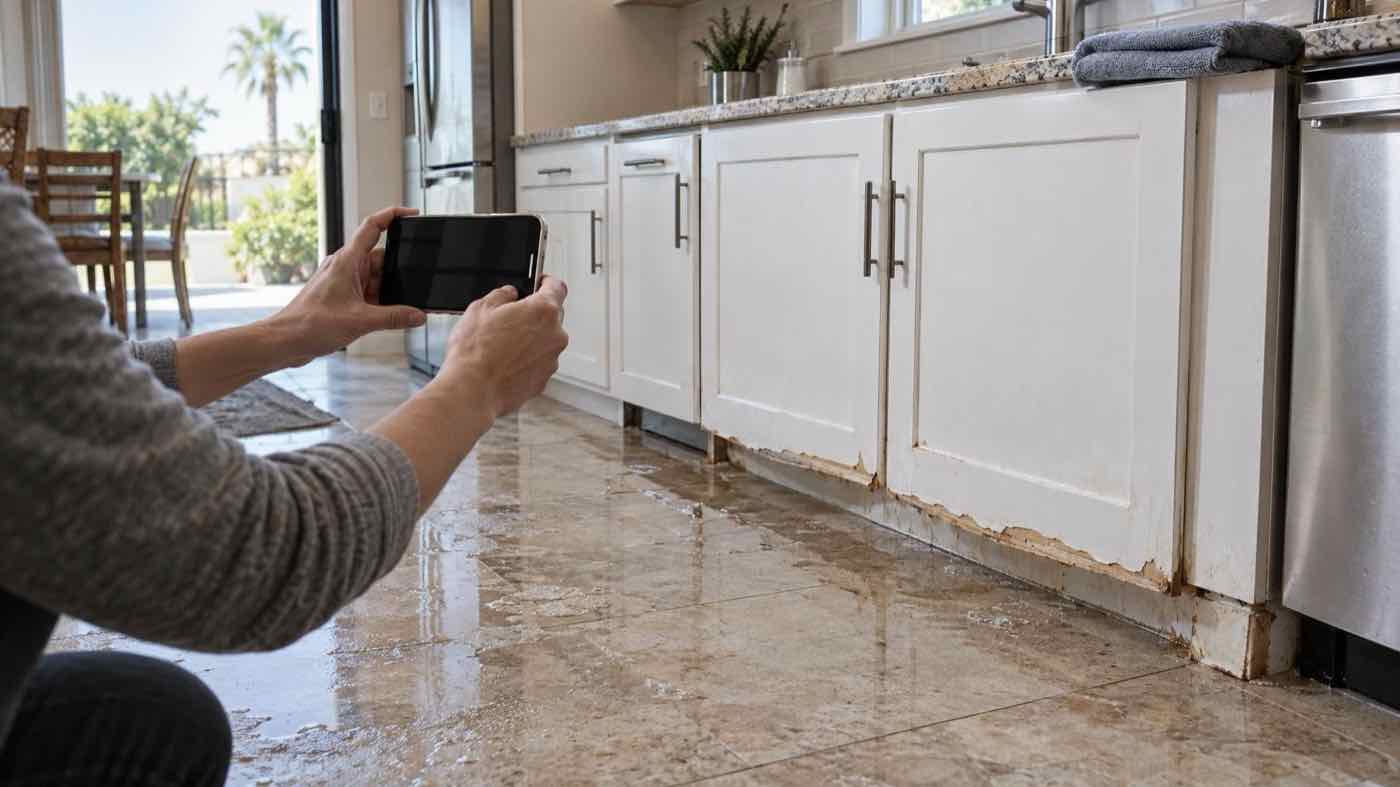
Before anything is repaired, document the warm spot, the moving meter, the damaged flooring and the moisture readings for each room. General information only, not insurance advice. Your own policy wording decides the claim.
| Cost after a slab leak | Typical treatment |
|---|---|
| Water damage to floors, walls and belongings from a sudden pipe failure | Often covered |
| Tearing out and replacing the slab section to reach the pipe | Often covered |
| Repairing or replacing the broken pipe | Usually not covered; treated as maintenance |
| Damage from a leak that ran for months, or from corrosion and wear | Usually excluded as gradual damage |
| Mold | Usually excluded |
Who Pays for a Slab Leak in an Irvine Home?
In a detached Irvine home, the homeowner arranges and usually pays for the pipe repair, and insurance may pay part of the resulting damage. In a condo or townhome, the CC&Rs and the HOA master policy also come into play.
IRWD describes the house valve, which controls water to the whole house, as part of the customer's private plumbing, and its leak guidance refers home water pressure problems to a licensed plumber. A leak under the slab is generally a job for the owner to arrange. IRWD does offer relief on the bill: after a leak is fixed, if usage returns to the Low Volume or Base allocations, water billed in the Inefficient and Wasteful tiers is rebilled at the conservation base rate. You still pay for the water, just not the penalty tiers.
Attached homes are different. Under California's Davis-Stirling Act, the association maintains common area and each owner maintains their own unit unless the CC&Rs say otherwise, and whether a pipe under a shared slab is common area depends on how the CC&Rs draw the lines. The guide who pays for HOA water damage in Irvine walks through those rules. Older parts of Northwood were developed without an HOA, according to Wikipedia, so owners there carry the whole decision.