4.8★
49 Google reviews
Sewage cleanup
Quick answer
What is sewage cleanup? Sewage cleanup is the removal of sewage-contaminated water from a building, the disposal of porous materials it soaked, the disinfecting of every surface it touched and the drying of the structure. Service Pros provides sewage cleanup from local offices, treating the water as Category 3, the most contaminated category.
Quick facts
Sewage cleanup is the removal of sewage-contaminated water from a building, the removal and disposal of porous materials it soaked, the cleaning and disinfecting of every surface it touched, and the drying of the structure. Service Pros handles sewage cleanup for homes, condos and commercial buildings.
Sewage is not a normal water leak. A clean supply-line leak can often be dried in place, but water from a toilet, drain or sewer line carries germs that soak into carpet, pad, drywall and wood. Drying those materials does not make them safe, so the cleanup has to remove contamination before it removes moisture.
Most sewage calls start in one of three places: a toilet that overflowed, a floor drain or tub that backed up when the sewer line clogged, or a condo unit where a neighbor's drain line backed up into the unit below. The cleanup steps are the same for each; what changes is how far the water traveled and how long it sat.
The on-site evaluation is free. Until help arrives, stay out of the affected area and stop using sinks, tubs and toilets that drain into the same line.
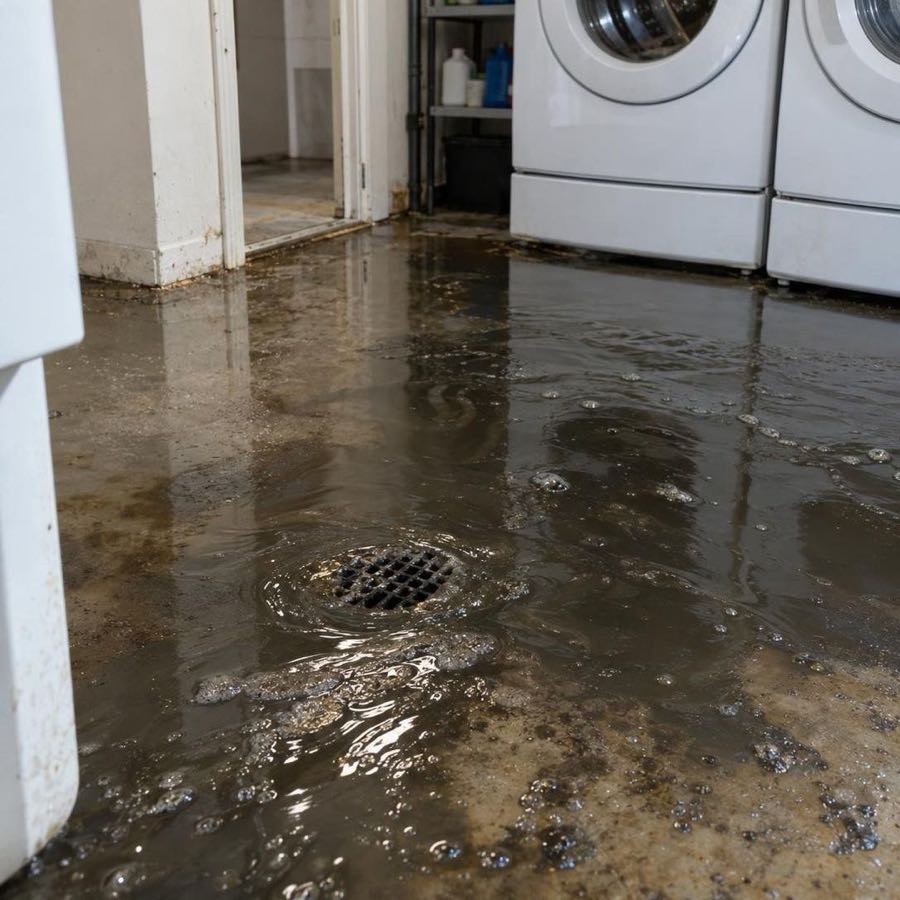
Category 3 is the most contaminated of the three water categories used in restoration, and it includes sewage and outside floodwater. The category decides how much material has to come out, not just how much water.
Water damage restoration sorts water into three categories by contamination. Category 1 is clean water from a source such as a supply line. Category 2 carries contaminants, such as washing machine discharge. Category 3 includes sewage and outside floodwater.
Clean water can also get worse: left standing, it can become Category 2 or 3 over time. That is why a toilet overflow with waste is handled differently from one with only clean bowl water, and why fast response matters even when the water started clean. The category is set on site, by looking at the source and where the water went.
| Category | Typical source | Cleanup approach |
|---|---|---|
| Category 1: clean water | Supply line, water heater, ice maker line | Extract and dry, often in place |
| Category 2: gray water | Washing machine or dishwasher discharge, toilet overflow without waste | Remove carpet pad, clean and treat surfaces, then dry |
| Category 3: black water | Sewage backup, toilet overflow with waste, outside floodwater | Remove soaked porous materials, clean and disinfect, then dry |
Sewage can make people sick through contact, splashes and contaminated hands. Federal health agencies recommend protective gear and keeping children and vulnerable people away from the affected area.
The Centers for Disease Control and Prevention warns that floodwater can contain sewage, and that eating or drinking anything contaminated by it can cause diarrheal disease such as E. coli or Salmonella infection. Contact with contaminated water can also cause wound infections, skin rashes and tetanus. The CDC advises rubber boots, rubber gloves and goggles, washing hands often with soap and clean water, and keeping children out of contaminated areas and away from toys that have not been disinfected.
The U.S. Environmental Protection Agency recommends an N-95 respirator, goggles without vent holes, gloves, long sleeves, long pants and boots or work shoes for flood cleanup. It also says not to run a heating and air conditioning system to help dry the house if any part of it was flooded, and says cleaning and drying a flooded system is usually a job for a professional.
The CDC says clothes touched by floodwater or sewage should be washed in hot water and detergent before they are worn again, and that walls, hard floors and other surfaces can be disinfected with a mixture of 1 cup of bleach to 1 gallon of water.
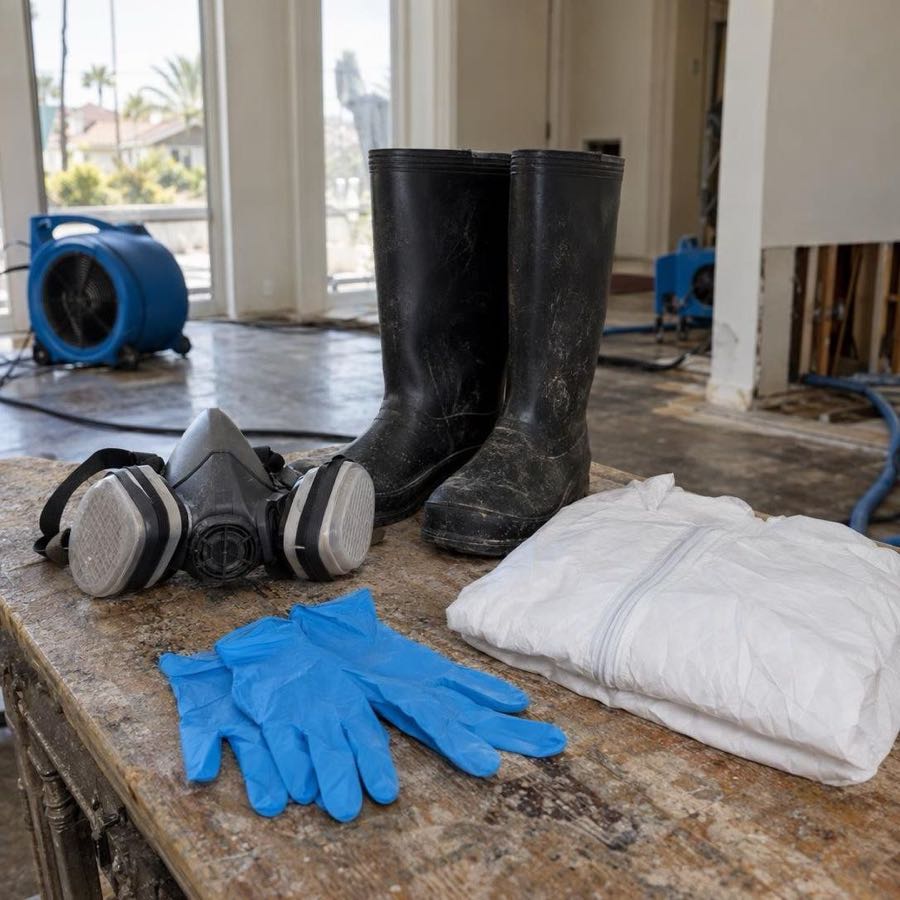
Find the source, set up protective gear, and keep the contaminated area separated from clean parts of the building.
Pump and extract standing sewage and contaminated water.
Photograph and remove carpet, pad, drywall, insulation and other porous materials the sewage soaked.
Clean and disinfect every hard surface the water touched, including the wall cavities that were opened.
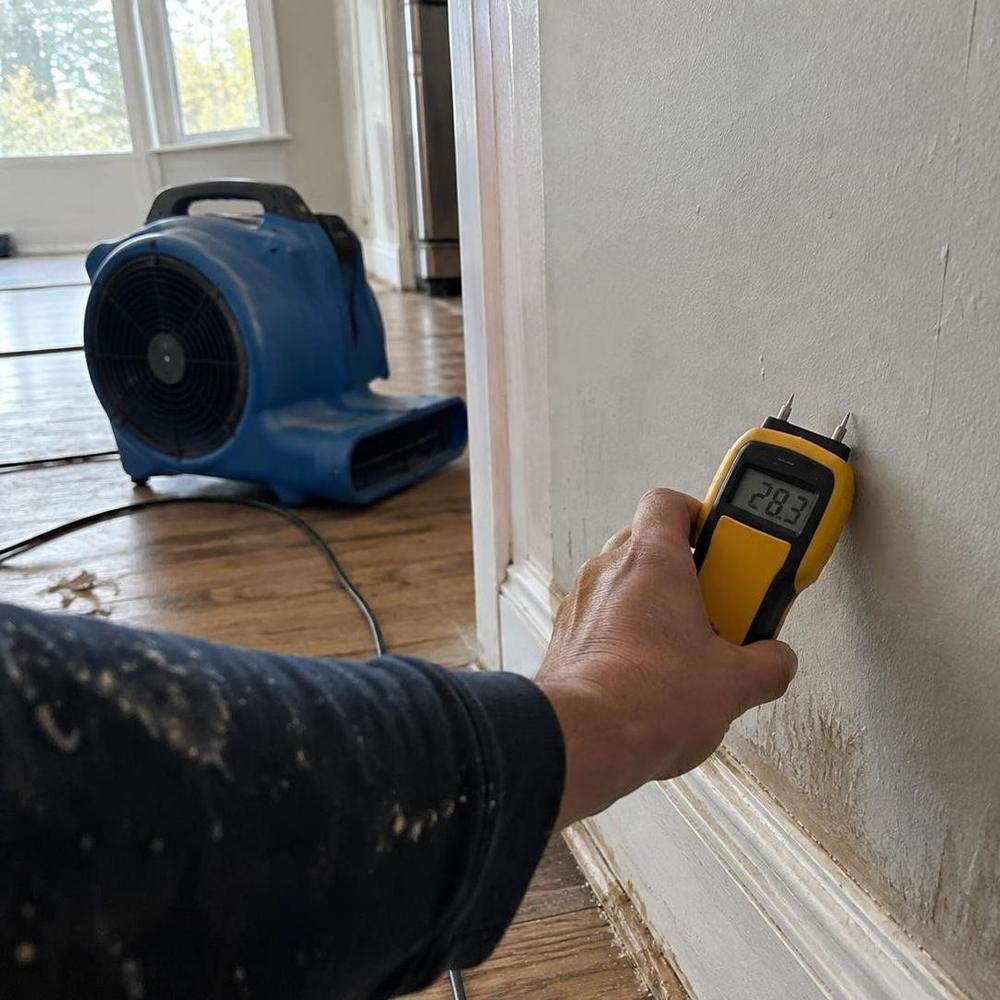
Run air movers and dehumidifiers until moisture readings show each material is dry.
Confirm the area is clean and dry, then replace drywall, flooring and baseboard.
Who fixes the pipe depends on where the blockage is, and the local sewer agency can say who owns each section of the line. Who pays for the cleanup is a separate question.
Before calling a plumber, find out whether the problem is in the building's own drain lines or in the public sewer. The ownership rules for the pipe between the two are set locally, so the sewer agency for your address is the place to ask. Either way, the sewage inside the building still has to be cleaned up safely.
Coverage for sewer backups varies by policy, and some homeowners policies treat it differently from sudden water damage, so read your policy's water and sewer wording or ask your agent. In a condo, the association's master policy and your own unit policy may both be involved.
Sewage backups come from a clog or failure somewhere in the drain system. The warning signs often show up before the backup does.
Inside the house, a failed toilet wax ring, a clogged toilet, or a main line blockage that forces water up through the lowest drain are common sources. In stacked condos and townhomes, drain lines from several units can share a stack, so a clog low in the line can back up into a lower unit even when that owner did nothing wrong.
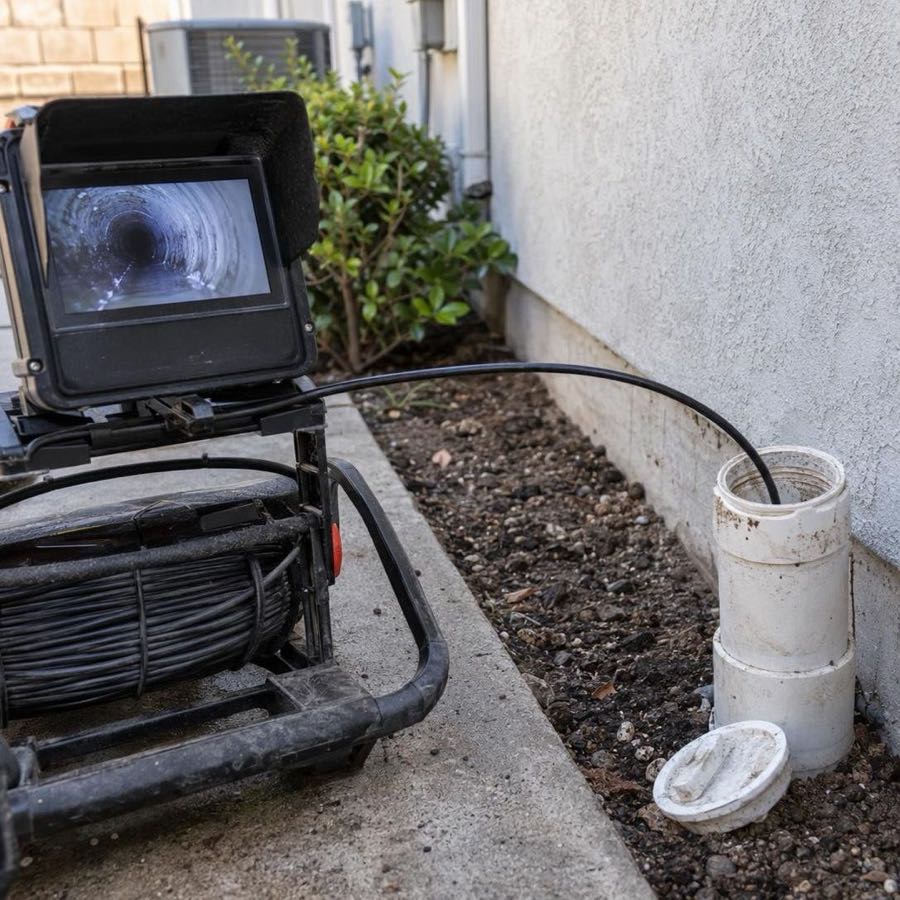
The warning signs often come before a full backup: several drains slowing at once, gurgling from a toilet when a sink drains, or water rising in a tub when the washing machine empties. Those signs point to a main line or lateral problem and are worth a plumber's visit before the next load of laundry.
After a sewage backup, porous materials that soaked up the water are usually removed, while hard, non-porous surfaces are cleaned and disinfected. The decision is made material by material.
The EPA's flood cleanup guidance says items that do not soak up water can usually be cleaned and dried, while items that soak up a lot of water and cannot be cleaned should be thrown away. For Category 3 water, porous materials it contaminated are removed rather than dried in place.
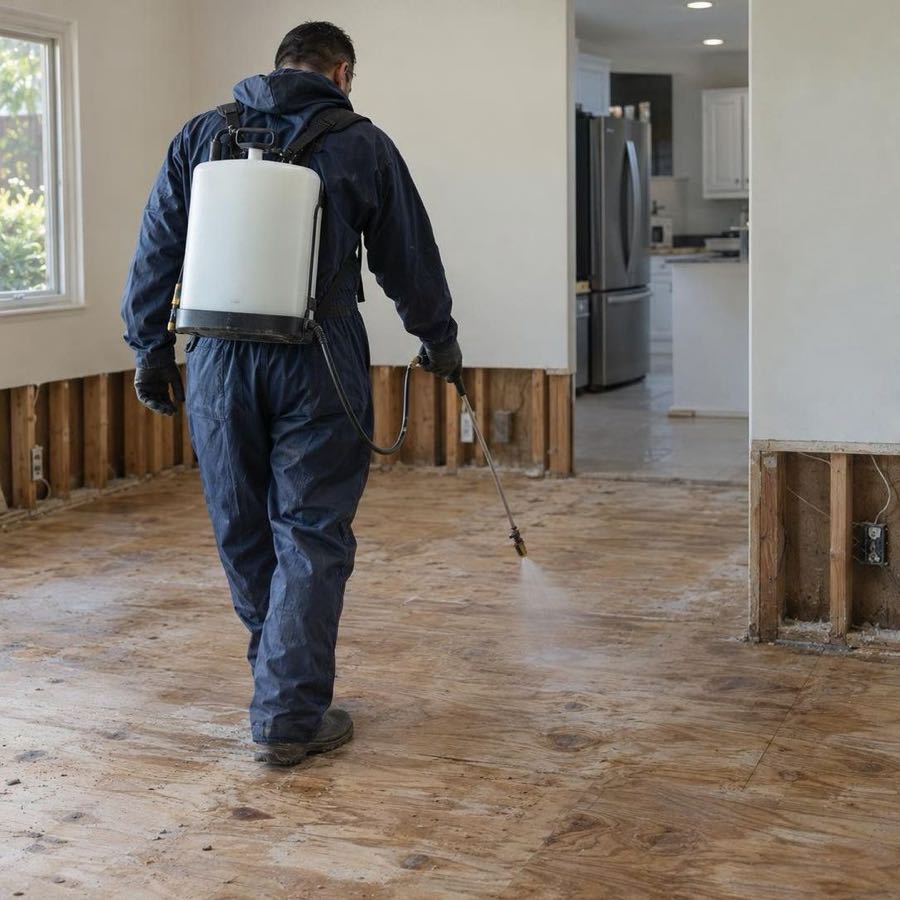
Drywall is typically cut out above the highest point the water reached, so the cavity behind it can be cleaned and dried. Carpet and pad that sewage soaked are removed. Tile, sealed concrete, metal and hard plastic can be cleaned and disinfected. Everything removed is photographed first so your insurance adjuster can see it, and contaminated debris is bagged before it is carried through clean parts of the home.
| Material | Usual outcome |
|---|---|
| Carpet and carpet pad | Removed and disposed of |
| Drywall and insulation | Cut out above the wet line and replaced |
| Tile, sealed concrete, metal, hard plastic | Cleaned, disinfected and dried |
| Particleboard cabinets and baseboard | Usually removed if soaked |
| Clothing and washable fabrics | Washed in hot water and detergent |
| Mattresses and upholstered furniture | Usually discarded if soaked |
The first steps after a sewage backup are to stop adding water, keep people away from it and avoid touching it. Each of those limits the damage and the health risk before the cleanup crew arrives.
Stop running water anywhere in the house that drains into the same line, including toilets, showers, sinks, the dishwasher and the washing machine. Keep children and pets out of the area, and do not walk sewage into clean rooms. Turn off power to wet rooms only if you can reach the breaker without standing in water.
Do not run the heating and air conditioning system if water reached it, as the EPA advises. Photograph the damage, call the cleanup company, and call a plumber or the local sewer agency depending on where the blockage seems to be. Once the area is clean and dry, mold is the next risk, which is covered under mold remediation.
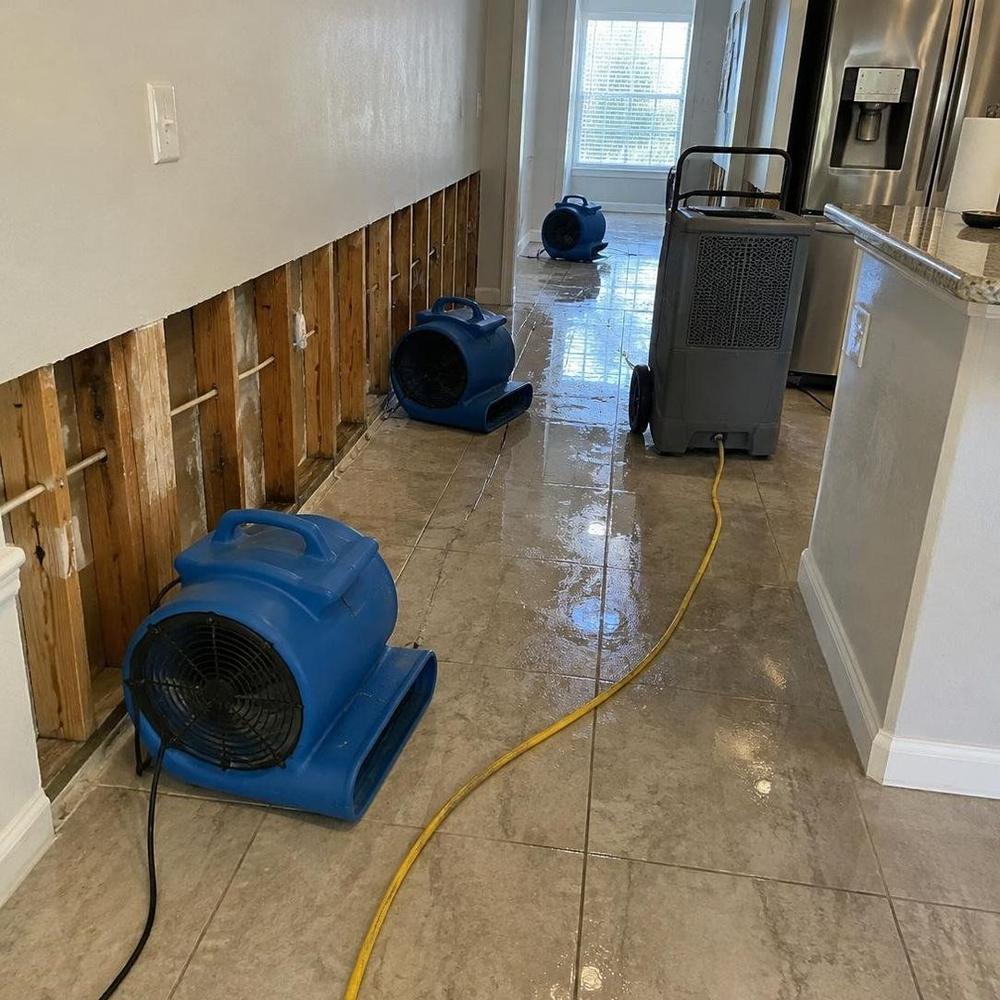 Water mitigationExtraction and structural drying
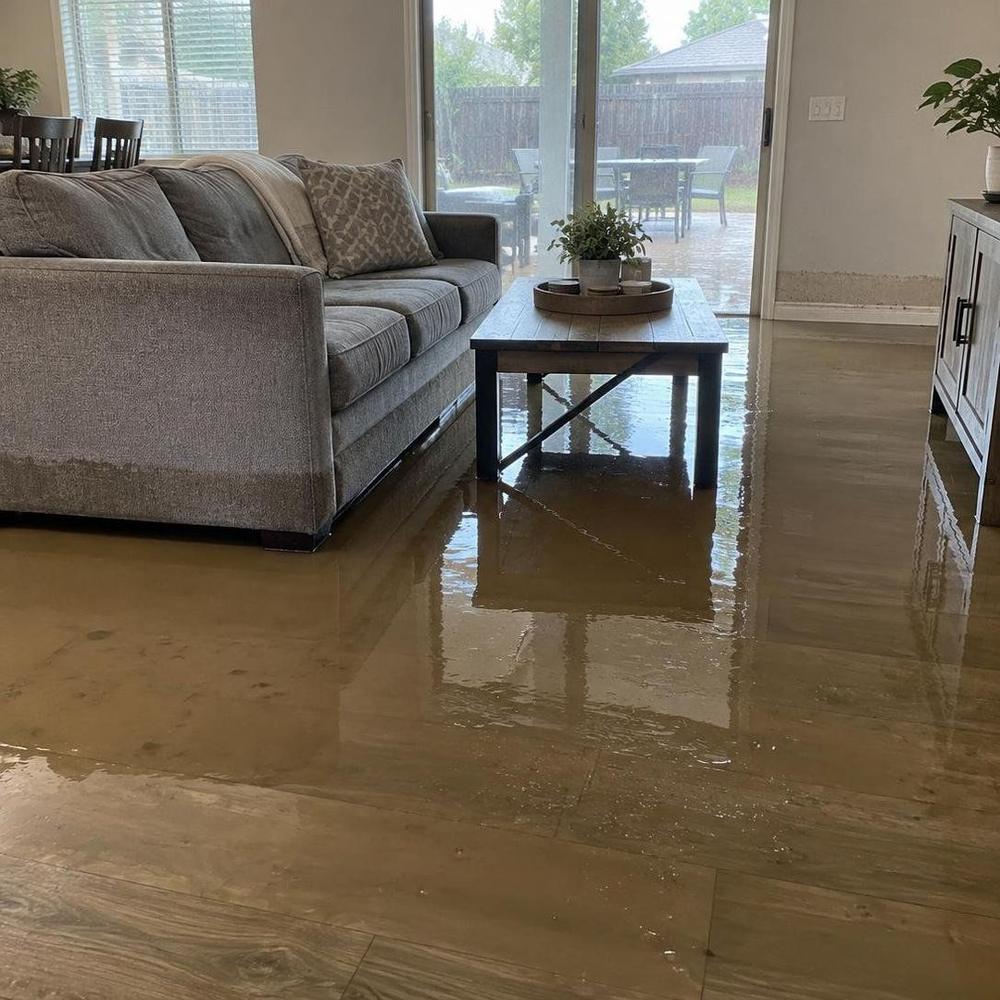 Flood damage cleanupStorm and overflow water
 Slab leak repairLeaks under the foundation
 Burst pipe repairOpen, dry and rebuild the wall
 Mold remediationContain, remove, clear
 Fire damage repairSoot, smoke and rebuild
 Contents pack-outMove, clean and store belongings
 Commercial restorationOffices, retail and multifamily
4.8 out of 5 from 49 reviews on the Service Pros Google listing, checked November 24, 2026.
“These guys did very nice work ..removed all the mold from my kitchen and storage/basement area . They are fast and efficient!!”
“Had some mold issues after a severe water leakage. Not only did they get the job done but took the time to explain in detail what needed to be done. I appreciate that as most people today don't take time to make sure the customer understands everything.”
“All that was missing was a cape, these guys were full on superheros! Quickly turning my unexpected disastrous situation into a distant memory! Thanks again!”
“Wonderful service! They were pleasant on the phone, answered all my questions, and provide emergency services. Their technicians are experienced and know what they’re doing.”
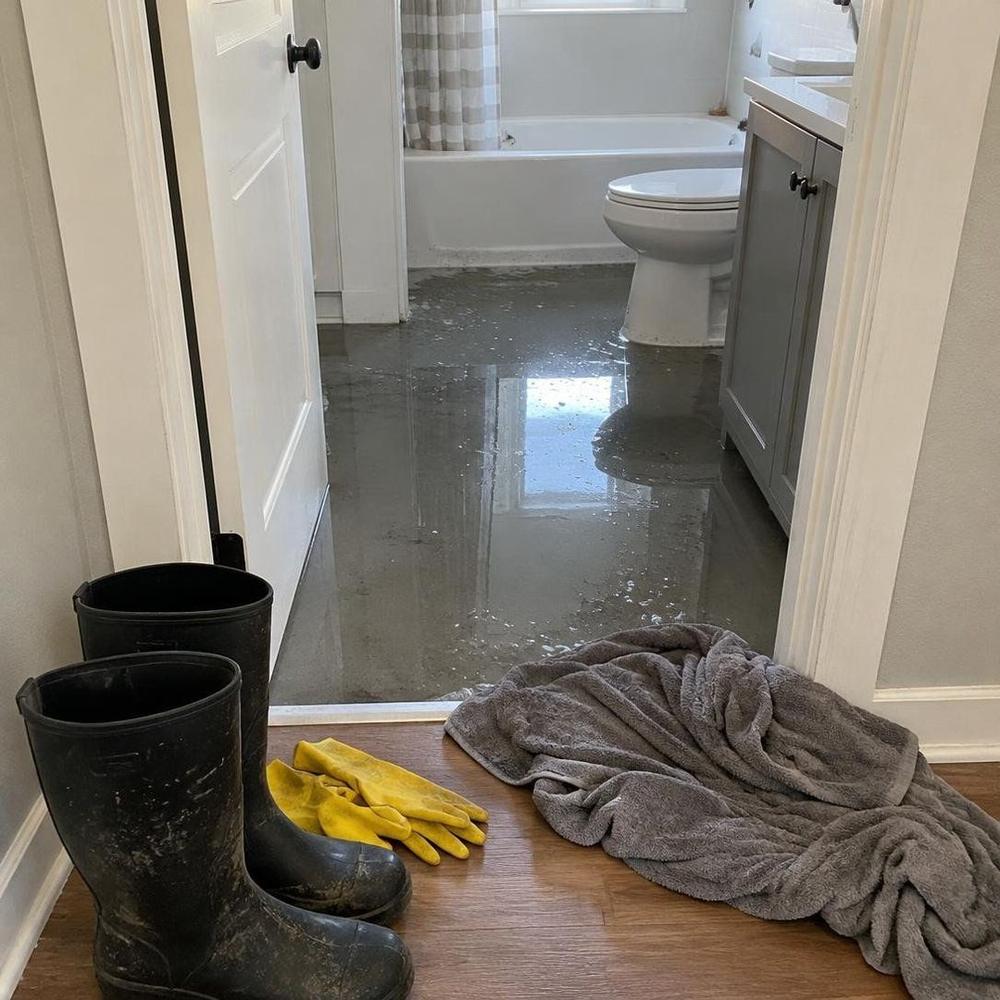
A small toilet overflow that stays on tile can be cleaned with gloves, boots and a bleach solution, following CDC guidance. A backup that soaks carpet, reaches drywall or spreads beyond one room is different, because porous materials have to be removed and disposed of, not just dried. Find your local Service Pros office for a free evaluation.
Where the blockage is decides who fixes the pipe, and the local sewer agency can say who owns that section of the line. Who pays for the cleanup is a separate question, because coverage varies by policy. Photograph the damage before cleanup starts, keep a record of removed materials, and ask your agent how your policy treats sewer backups.
Coverage for sewage backup cleanup depends on your policy. Some homeowners policies treat sewer backups differently from sudden and accidental water damage, so the wording matters. Read the water and sewer sections of your policy or call your agent. Photograph everything before cleanup starts and keep removed materials documented so your adjuster has a complete record.
Carpet and pad soaked by sewage are almost always removed and disposed of. Sewage is treated as Category 3 water, and porous materials it contaminates are removed rather than dried in place. Hard flooring such as tile or sealed concrete can usually be cleaned and disinfected instead.
If a neighbor's drain backed up into your condo, stop using your own drains, keep out of the water, photograph the damage and notify your HOA management company. The association's master policy, the neighbor's policy and your own unit policy may all be involved. Each affected unit should be documented separately. Service Pros can start cleanup while the insurers sort out who pays.
Whether you can stay in a home during sewage cleanup depends on how much of the house is affected and whether you still have a working bathroom on a separate line. The contaminated area is sealed off from the rest of the home during work. Children, older adults and anyone with a weakened immune system should stay away from the work area.
Sewage cleanup time depends on how far the water spread, how long it sat and what it soaked into. Extraction, removal and disinfection come first, then drying, which ends when moisture readings show each material is dry. Rebuilding drywall and flooring follows. A one-bathroom overflow is far quicker than a backup that reached several rooms.
Phone numbers, addresses and hours for each office are on the Locations page.
Find your office