What Does the Davis-Stirling Act Say About Repairs?
The Davis-Stirling Common Interest Development Act, named in Civil Code section 4000, is the part of the California Civil Code, sections 4000 to 6150, that governs HOAs, condos and planned developments. Its default repair rule, Civil Code section 4775, splits the work between the association and each owner unless the CC&Rs say otherwise.
Nearly every default in the list below starts with the words “unless otherwise provided in the declaration.” The declaration is the CC&Rs, so an Irvine association's own documents can move a pipe, a window or a water heater from the owner's column to the association's, or back. Read the maintenance section or maintenance chart of your CC&Rs before assuming anything.
Two definitions help. Section 4095 defines common area as everything in the development except the separate interests, and section 4145 treats fixtures that serve one unit but sit outside it, such as exterior doors, windows, balconies and patios, as exclusive use common area unless the declaration says otherwise.
Since January 1, 2025, section 4775 also requires the board to begin the repair process within 14 days when gas, heat, water or electrical service is interrupted by a failure that starts in the common area. That deadline does not apply when a declared disaster or emergency materially affects the association's ability to act.
- The association repairs, replaces and maintains the common area (section 4775(a)(1)).
- Each owner repairs, replaces and maintains their separate interest, meaning their unit or lot (4775(a)(3)).
- For exclusive use common area, such as a balcony or patio serving one unit, the owner maintains it and the association repairs and replaces it (4775(a)(4)).
- When gas, heat, water or electrical service fails and the problem begins in the common area, the association handles the repairs to restore it, even if the problem extends into a unit (4775(a)(2)).
- The owner pays for temporary relocation while the association repairs the areas it is responsible for (4775(c)).
Is the HOA Responsible for Water Damage Inside My Unit?
Not automatically. A duty to repair a pipe and liability for the damage it caused are two separate questions: an HOA may have to fix a leaking common-area line without owing you for the flooring and cabinets the leak ruined.
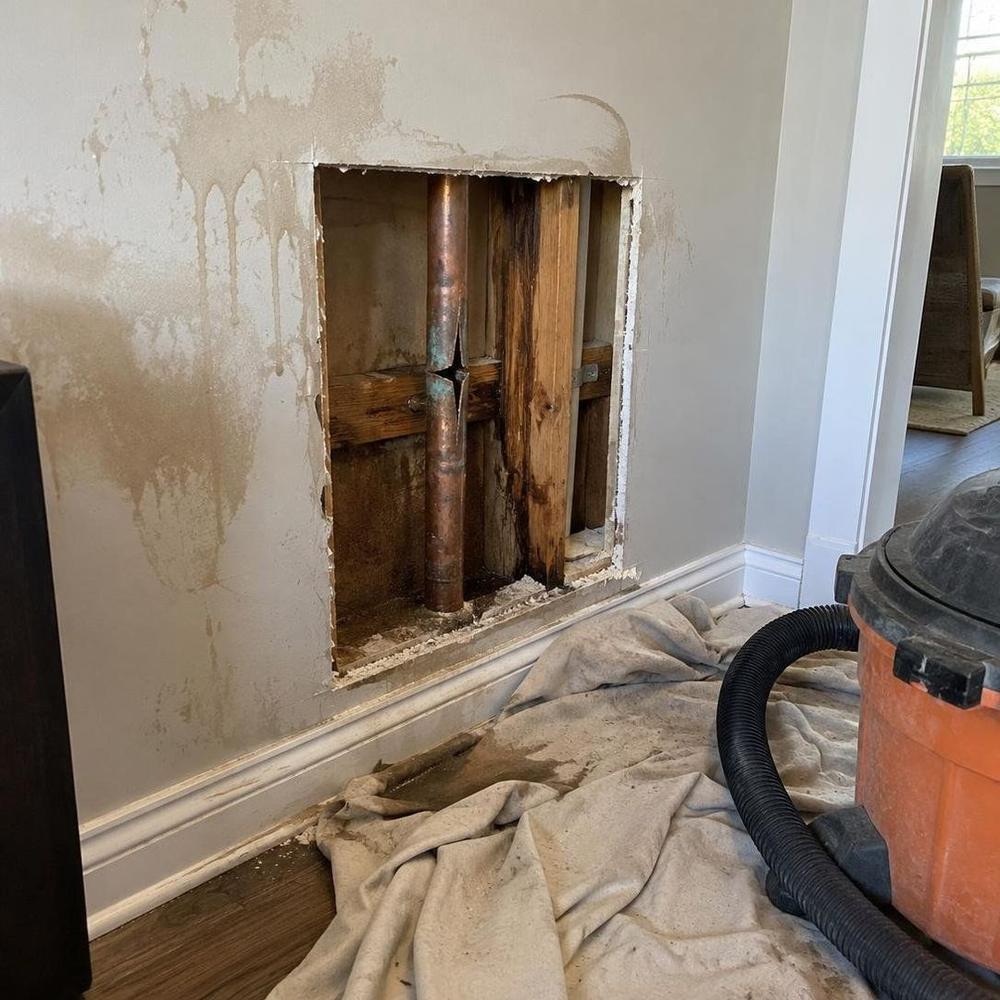
Adams Stirling PLC, the California law firm behind davis-stirling.com, explains that a failed water line inside a wall does not by itself make the association liable for damage inside a unit. There has to be negligence by the association. Without negligence, each party repairs its own damage: the association fixes the common area, and the owner fixes cabinetry, flooring and personal property.
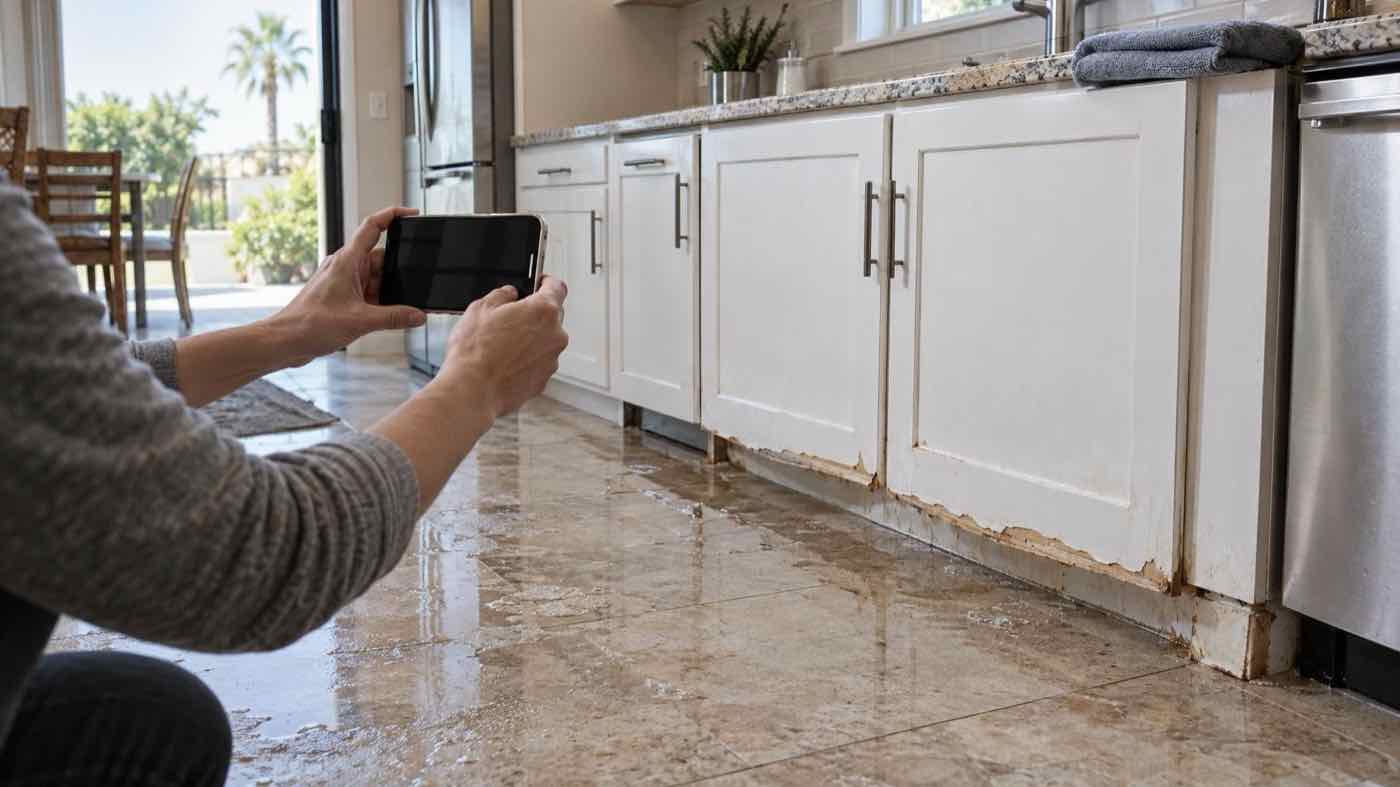
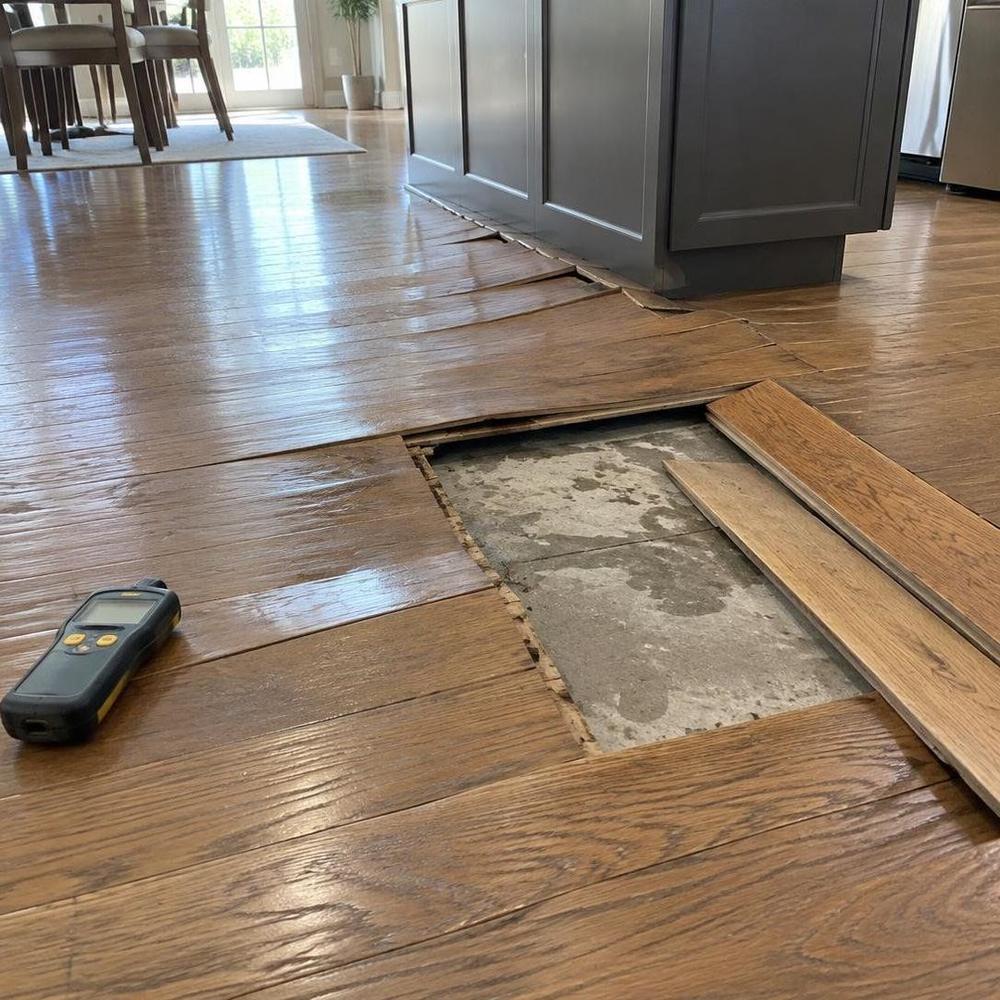
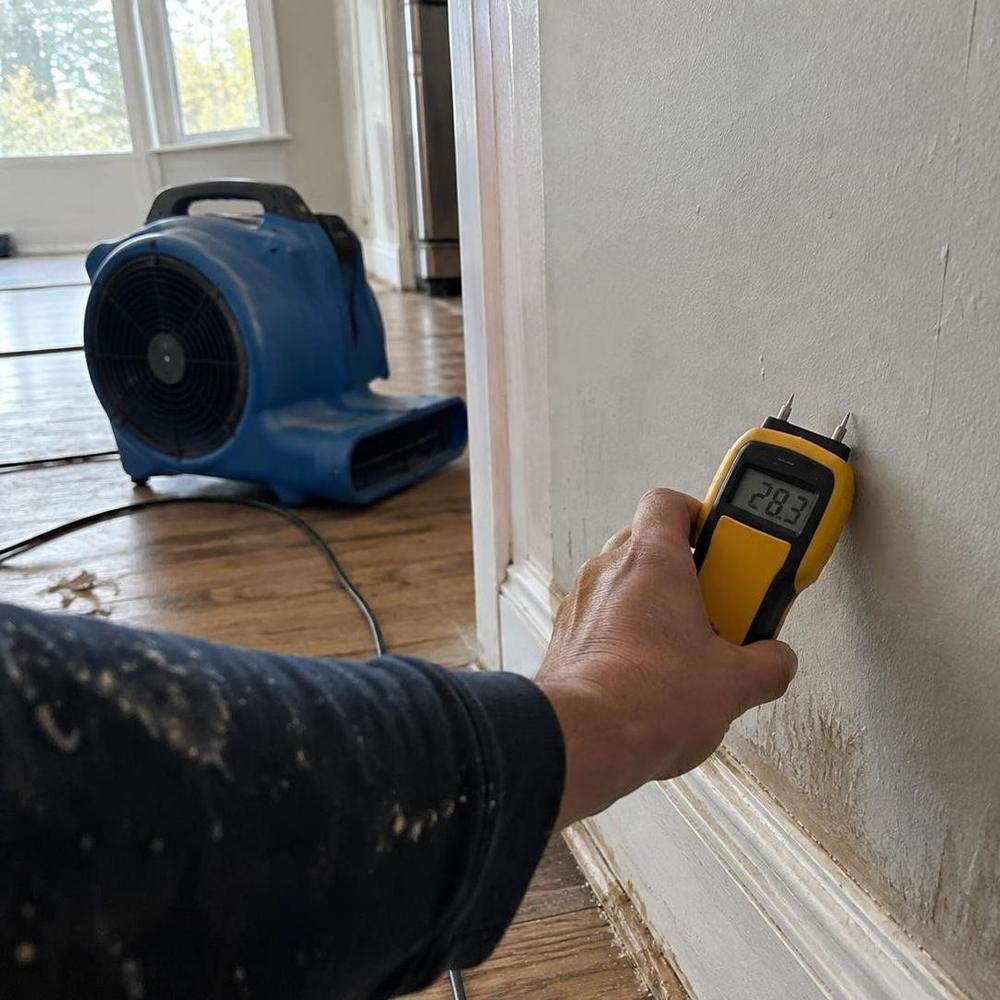
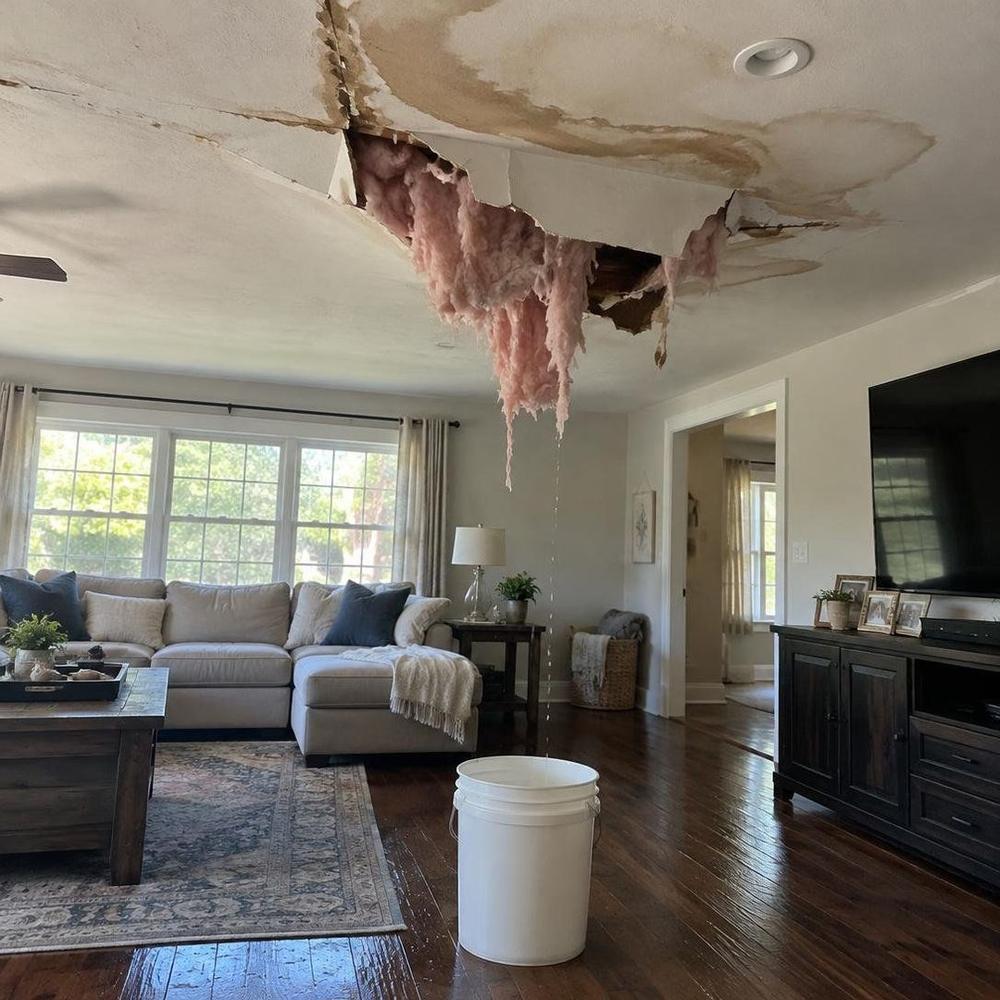
Whether the association was negligent is a question of fact, which is why records matter so much. Keep the date and time you first reported the leak, copies of emails to the management company, photos of the damage as it spread, and the moisture readings from every affected room. A leak that was reported and then ignored is a very different case from a pipe that failed without warning.
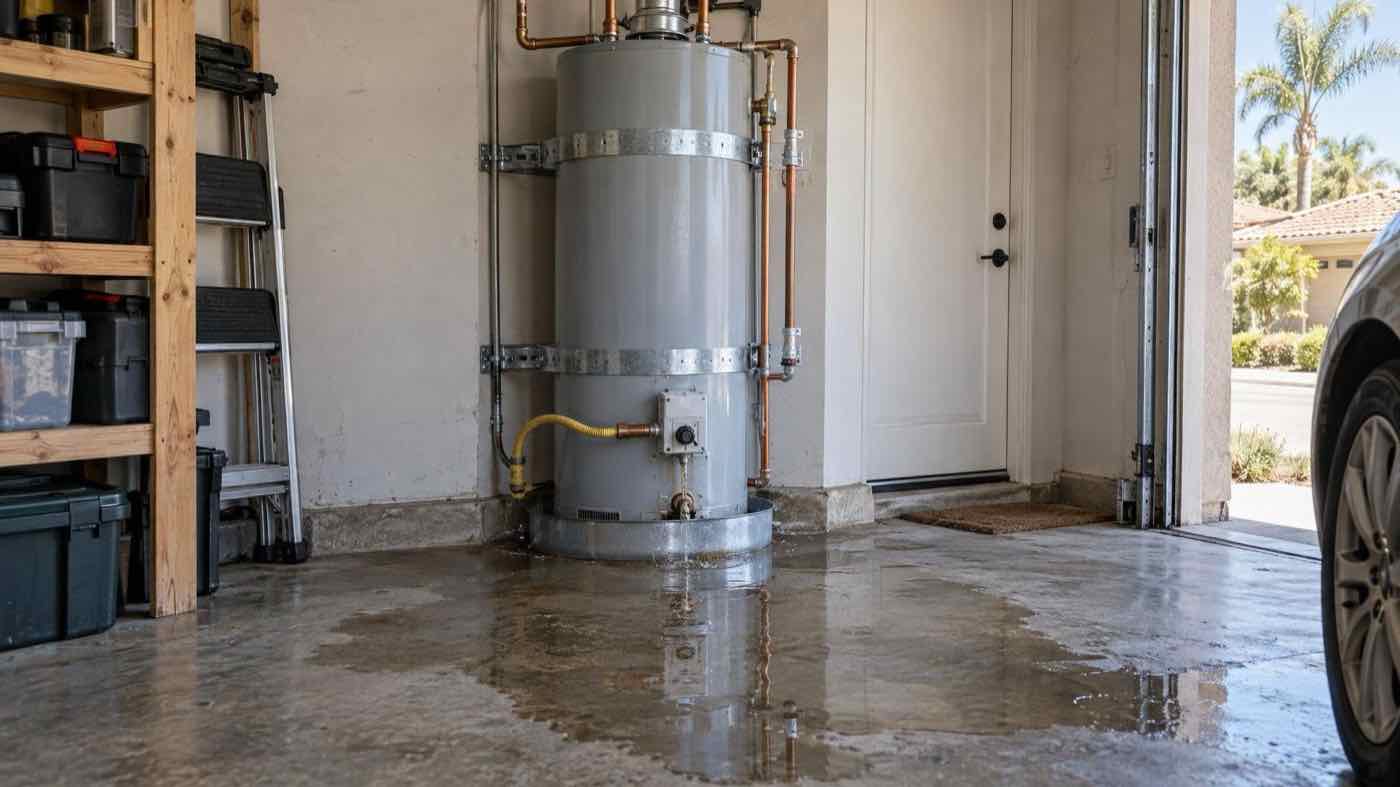
The same firm notes that owners are usually responsible for fixtures, appliances, water heaters and lines that serve only their unit. If one of those fails and water reaches a neighbor or the common area, the owner of the unit where it started is the first place the association and the insurers will look.
Who Pays When a Leak Comes From the Unit Upstairs?
When water from one Irvine unit damages another, the source of the leak, the CC&Rs, any negligence and up to three insurance policies decide who pays: the HOA master policy, each owner's HO-6 policy and any tenant's renters policy.
The table below shows the default starting points. Documentation settles most of these disputes. Each affected unit should get its own photos, moisture readings and drying log, so the right policy pays for the right damage and no unit's loss gets folded into someone else's claim.
Act on the water first and sort out fault second. The California Department of Insurance lists water damage from seepage or leaks and mold among losses generally not covered by a homeowners policy, so a ceiling left wet while owners argue can turn a covered loss into an excluded one.
| Where the leak starts | Who repairs the source by default | Insurance usually involved |
|---|---|---|
| Common-area pipe, such as a line shared by several units | Association | HOA master policy for common area; each owner's HO-6 for their own interior and belongings unless the association was negligent |
| Fixture, appliance, water heater or supply line serving one unit | Owner of that unit | That owner's HO-6, plus the master policy for any common-area damage |
| Balcony, patio, window or exterior door serving one unit | Owner maintains; association repairs and replaces | Depends on the CC&Rs and the master policy terms |
| A tenant's appliance or overflow | Owner of the unit, under the CC&Rs | Renters policy for the tenant's belongings; owner's HO-6 for the unit |
What Does an HO-6 Policy Cover vs the HOA Master Policy?
The HOA master policy generally insures the building structure and common areas, while an HO-6 condo unit-owner policy covers the inside of the unit, the owner's belongings and liability. The CC&Rs and the master policy wording draw the line between them.
The table below is based on the California Department of Insurance residential guide, which also suggests checking whether loss assessment coverage applies to earthquake and how much it pays.
California gives owners a direct way to see the master policy. Civil Code section 5300 requires the association's annual budget report, distributed 30 to 90 days before the fiscal year ends, to summarize its property, general liability, earthquake, flood and fidelity insurance, including each insurer, policy limit and deductible. Compare that deductible with your HO-6 limits before a leak happens, not after.
| Coverage | HOA master policy | Owner's HO-6 policy |
|---|---|---|
| Building structure and common areas such as corridors and walls | Generally covered | Not the main coverage |
| Unit interior and improvements the owner must maintain under the CC&Rs | Depends on the master policy | Covered |
| Personal property | May not be covered | Covered |
| Loss of use while repairs are made | Not the main coverage | Covered, generally limited to 40 percent of the personal property limit |
| Assessments the HOA levies after a loss | Not applicable | Loss assessment coverage |
| Seepage, slow leaks and mold | Policy terms decide | Generally not covered |
Who Pays the HOA Master Policy Deductible?
The CC&Rs or a board-adopted rule usually decide who pays the master policy deductible after a water loss. Where neither addresses it, the answer goes back to who was responsible for the part that failed and whether anyone was negligent.
The insurance summary that section 5300 requires must carry a bold-type warning that even when a loss is covered, an owner may still be responsible for all or part of a deductible. If the association passes a deductible or repair cost to owners as an assessment, HO-6 loss assessment coverage may help pay it, so check the limit on yours.
Adams Stirling's checklist urges boards to adopt a written rule on insurance deductibles and to update CC&Rs to address them, so ask your management company whether your Irvine association has one. The four questions in the list below are worth asking before you need the answers.
- Which pipes, fixtures and finishes does our CC&Rs maintenance chart assign to owners?
- Who pays the master policy deductible after a water loss, and is there a board rule on it?
- What is this year's master policy deductible, according to the latest budget report?
- Does the master policy cover unit interiors and improvements, or only the structure?
What Should I Do First After a Leak in an Irvine Condo?
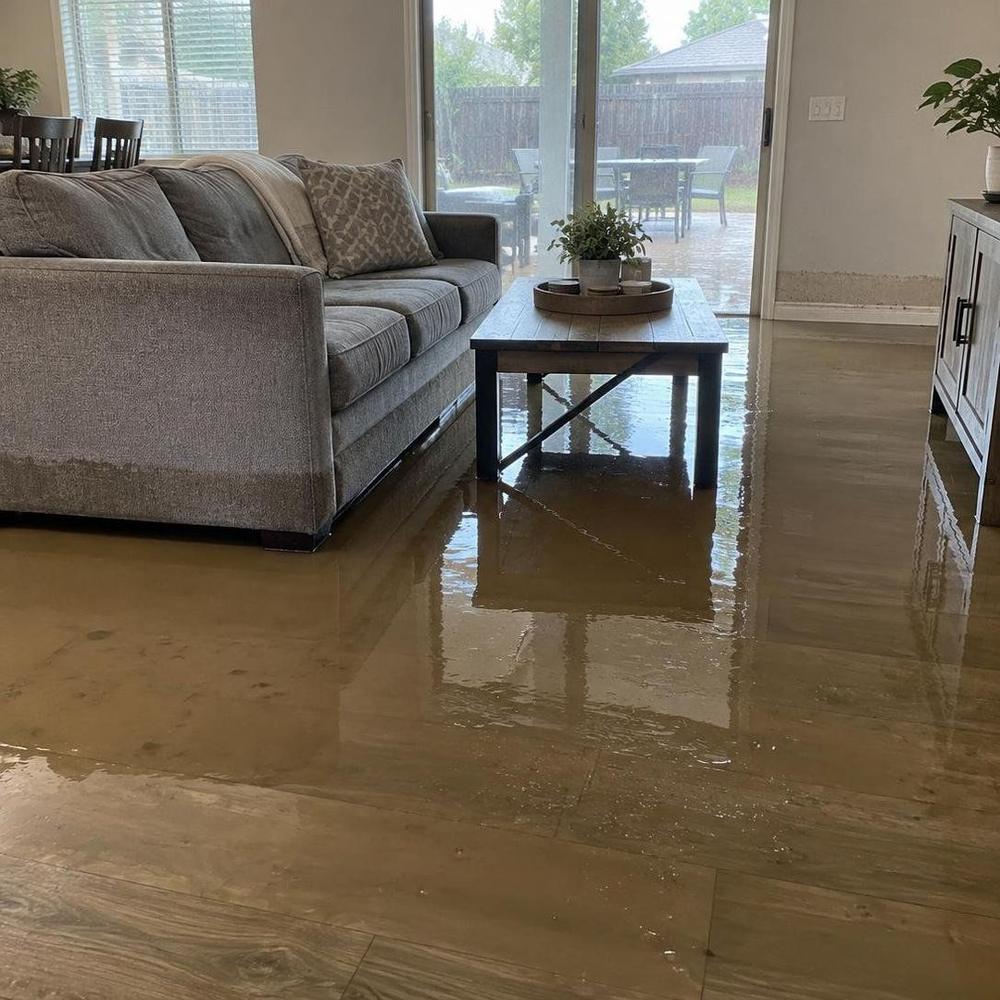
Stop the water, notify the association and the neighbors, and document every affected unit before anything is removed. Fast drying protects everyone's claim.
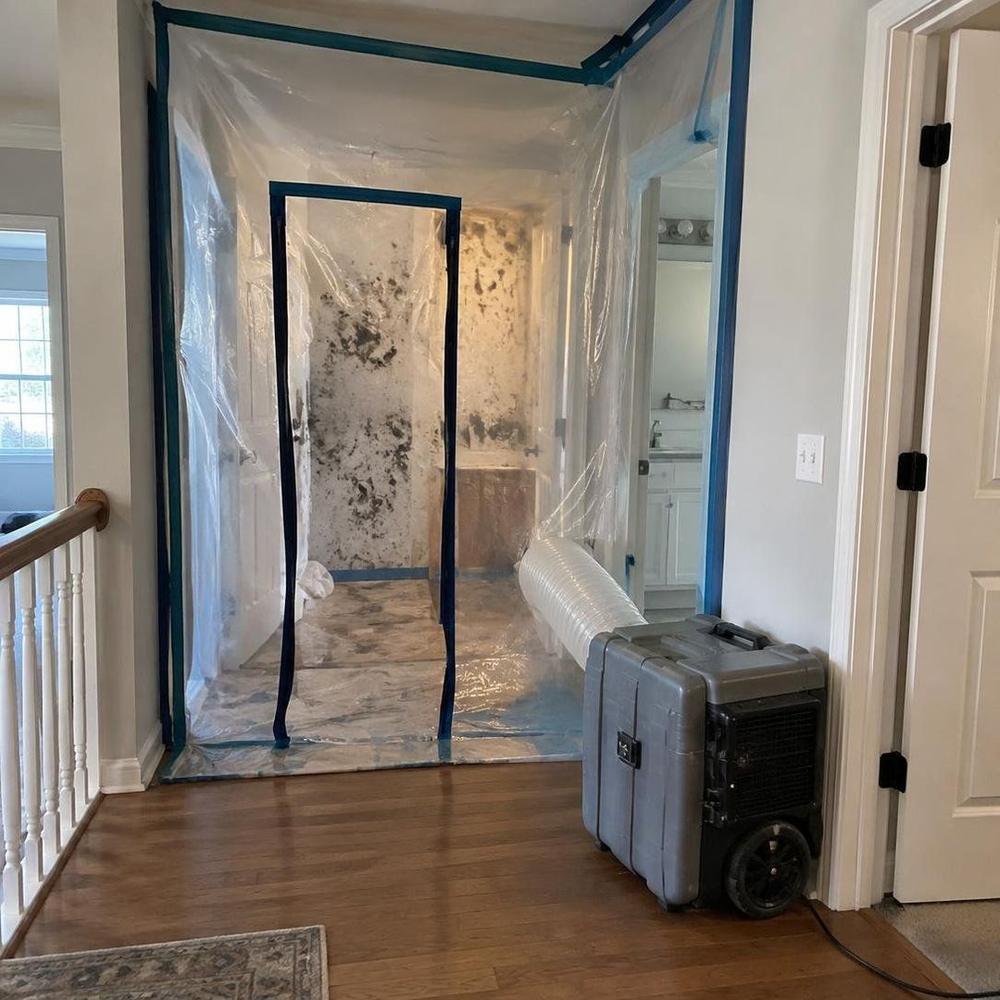
Service Pros handles water mitigation in Irvine and mold remediation near Irvine for condos and townhomes. Each affected unit should be documented separately for the association and each insurer involved.
This guide is general information, not legal advice. Your CC&Rs, your policies and the facts of the leak decide who pays. For a dispute, talk to a California attorney who handles community association law.
- Shut off water at the fixture or the unit's valve. If the leak is in a shared line, call the management company's emergency number.
- Notify the association in writing with the date and time, and tell the owners above, below and beside you.
- Photograph the source and every wet room in every affected unit.
- Call your HO-6 insurer and ask how your claim interacts with the master policy.
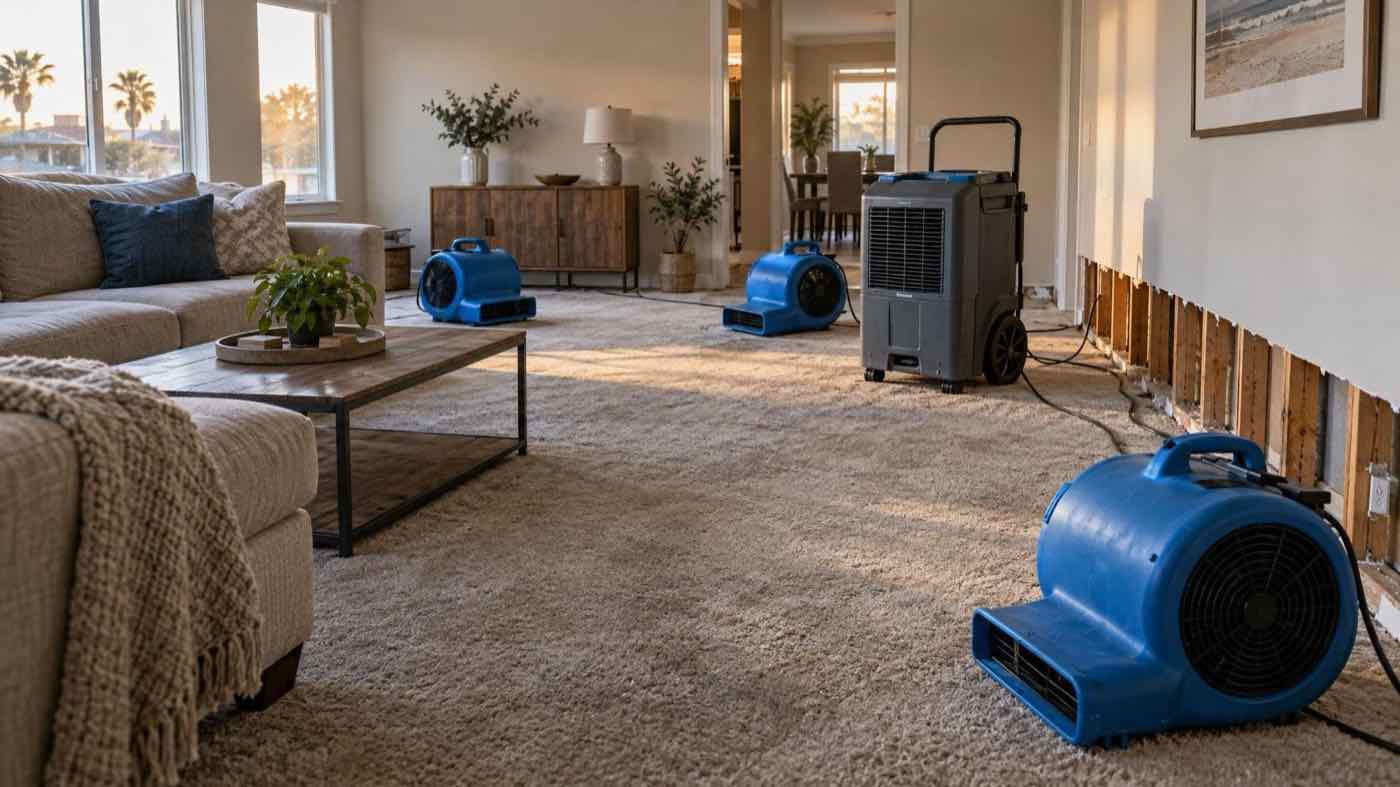
- Start extraction and drying. The U.S. EPA advises drying water-damaged areas within 24 to 48 hours to prevent mold growth.
- Keep each unit's moisture readings and drying log separate.