What Water Damage Does California Homeowners Insurance Cover?
Most California homeowners policies cover water damage that is sudden and accidental, and exclude damage that builds up slowly or comes from flooding. The exact answer is in your policy's wording.
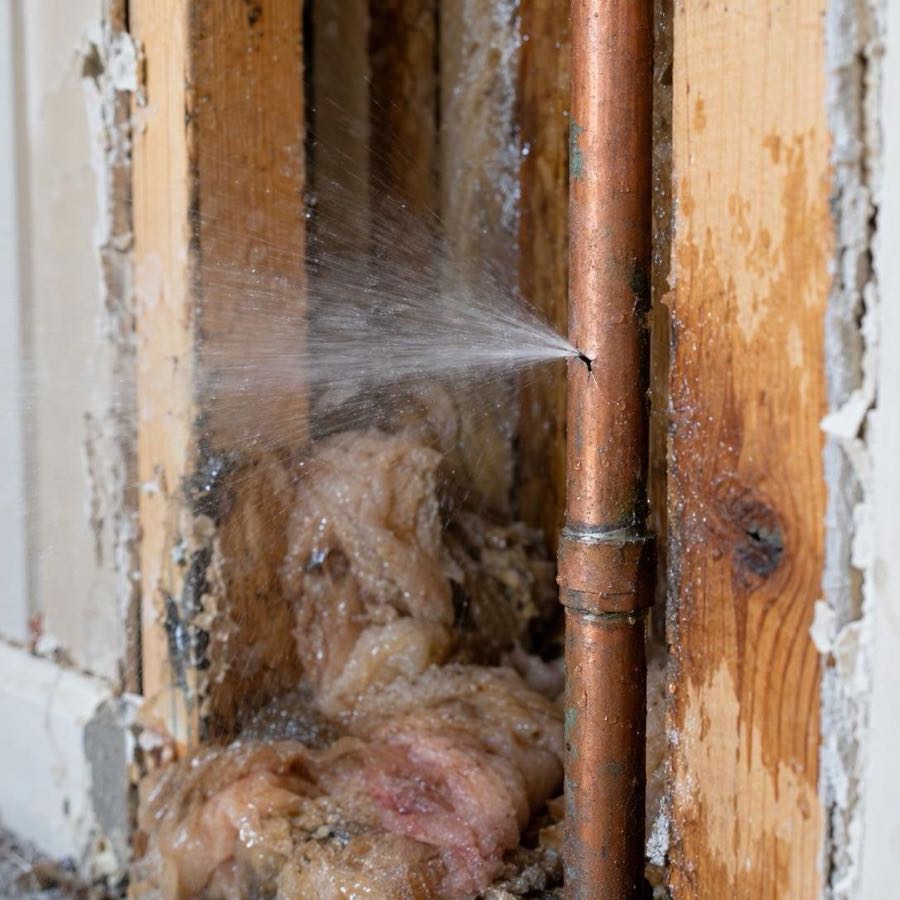
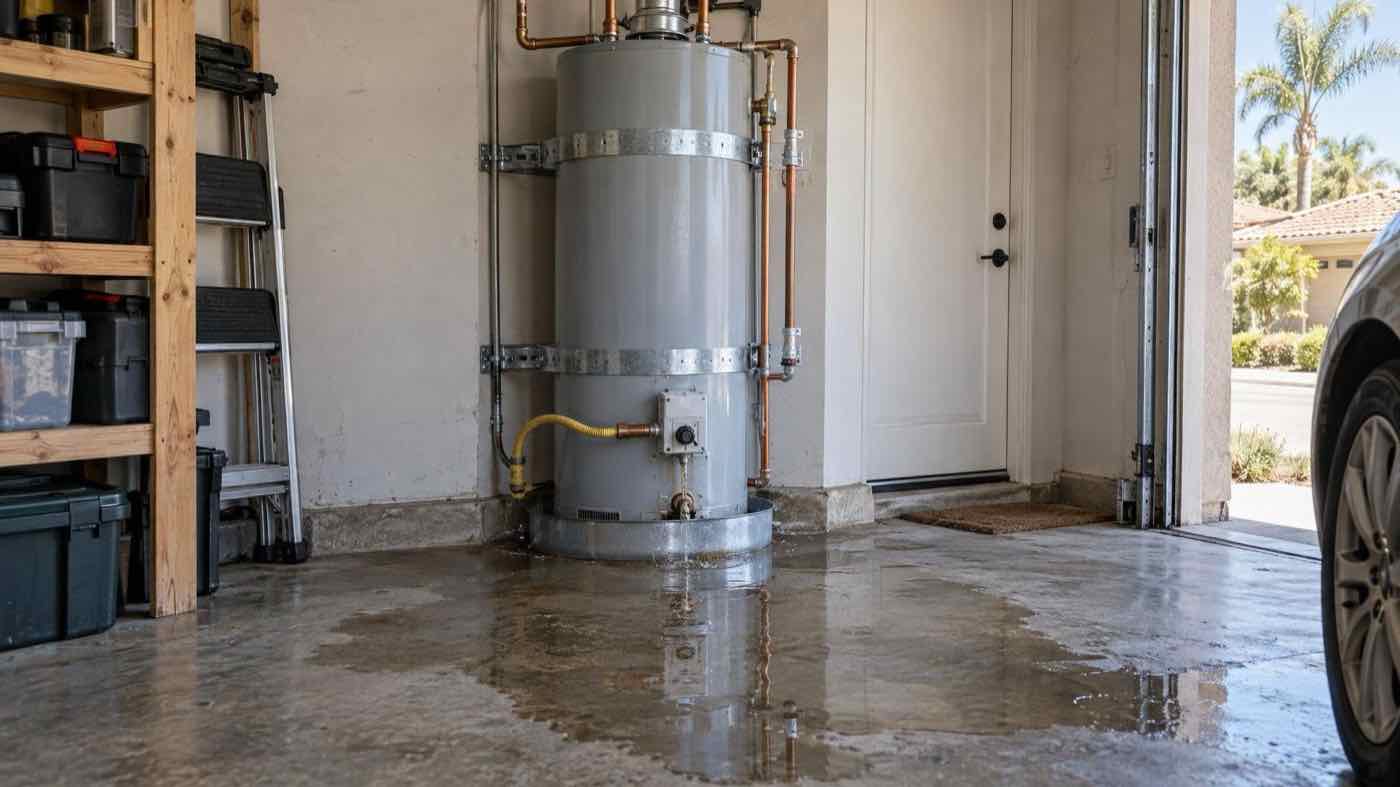
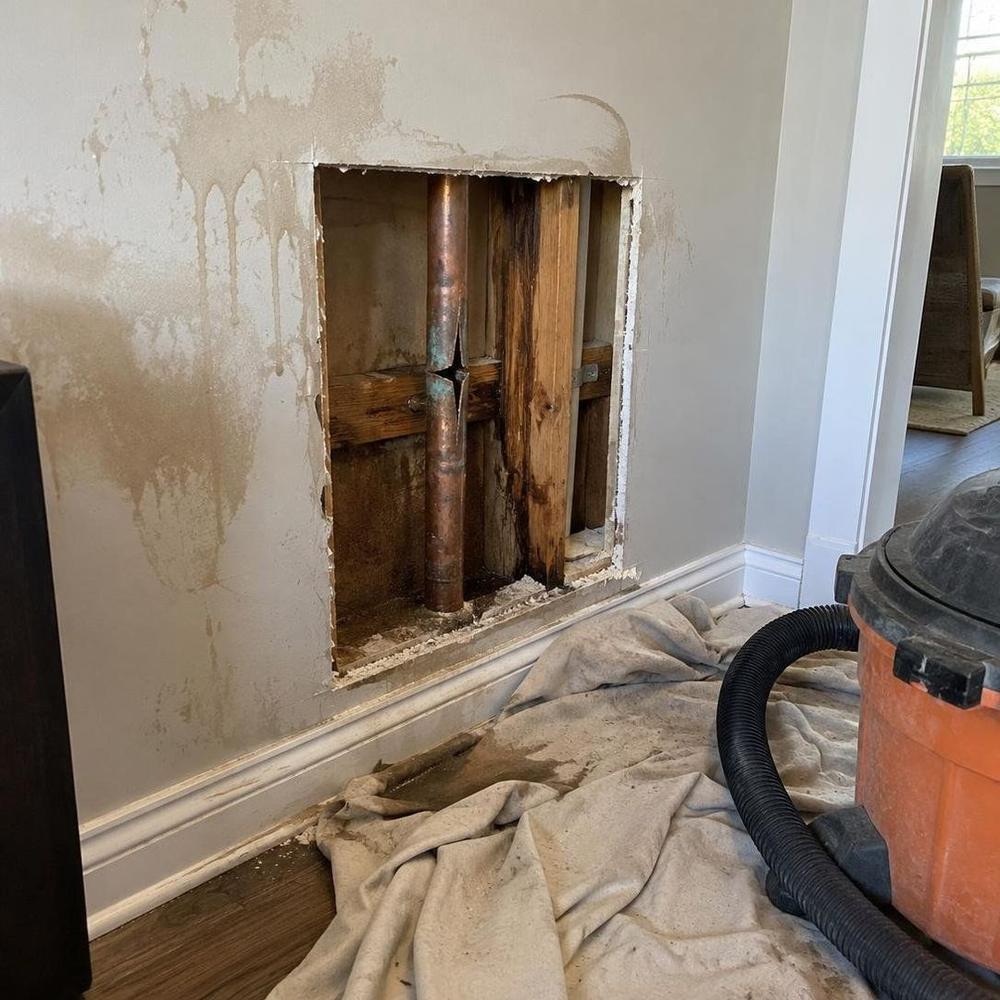
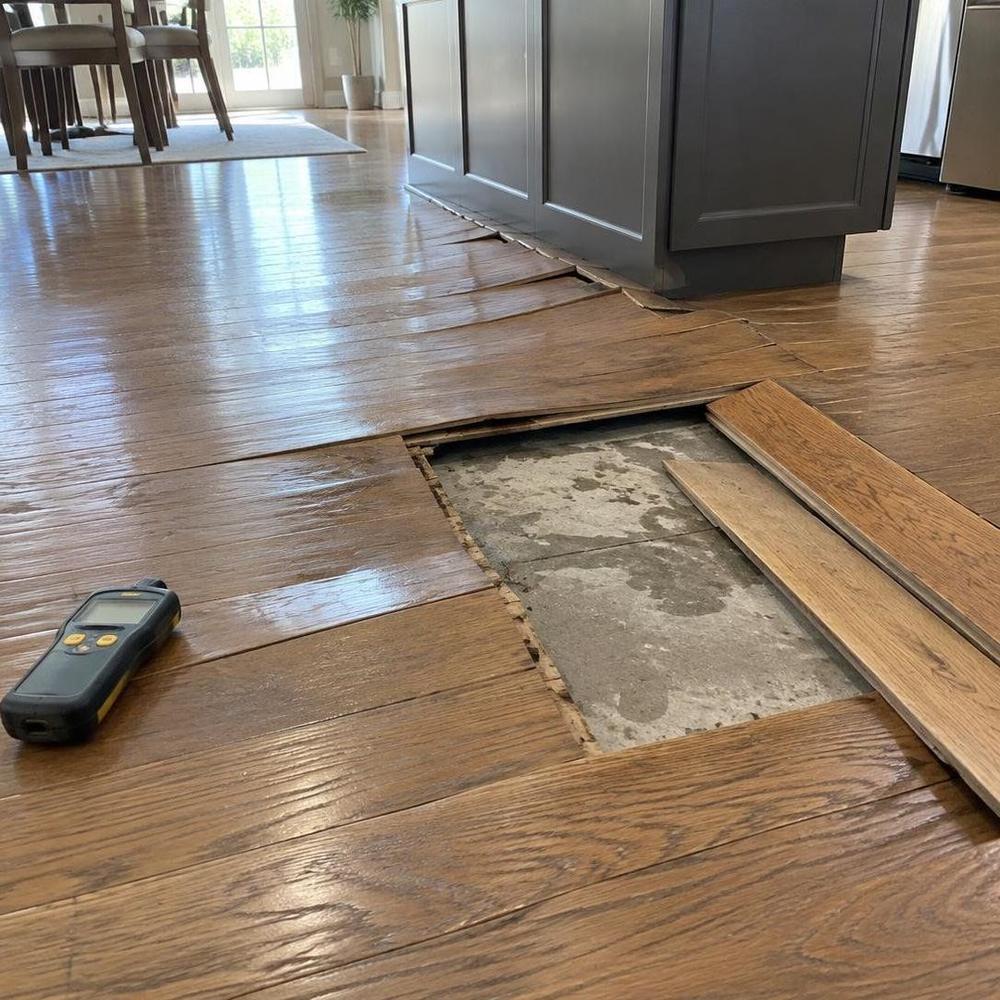
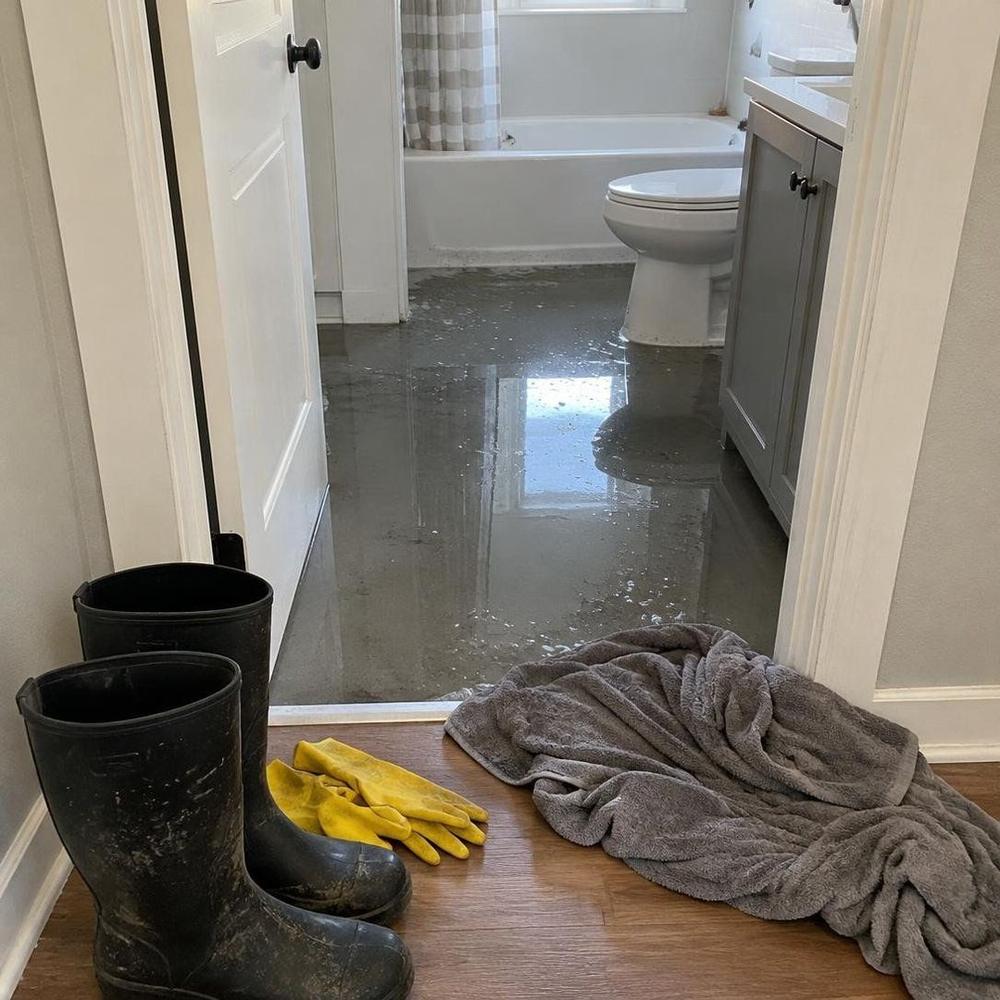
The California Department of Insurance says homeowners policies cover some kinds of water damage but do not cover flood damage. Common covered examples are a [burst pipe](/burst-and-frozen-pipe-repair/), a split washing machine hose, a failed water heater or an overflowing appliance. The policy then typically pays to dry and repair the damage, subject to your deductible.
What is usually not covered is the failed part itself, such as the water heater or the pipe that broke, and damage from a leak that went on for weeks or months.
Sudden Leaks vs. Gradual Leaks
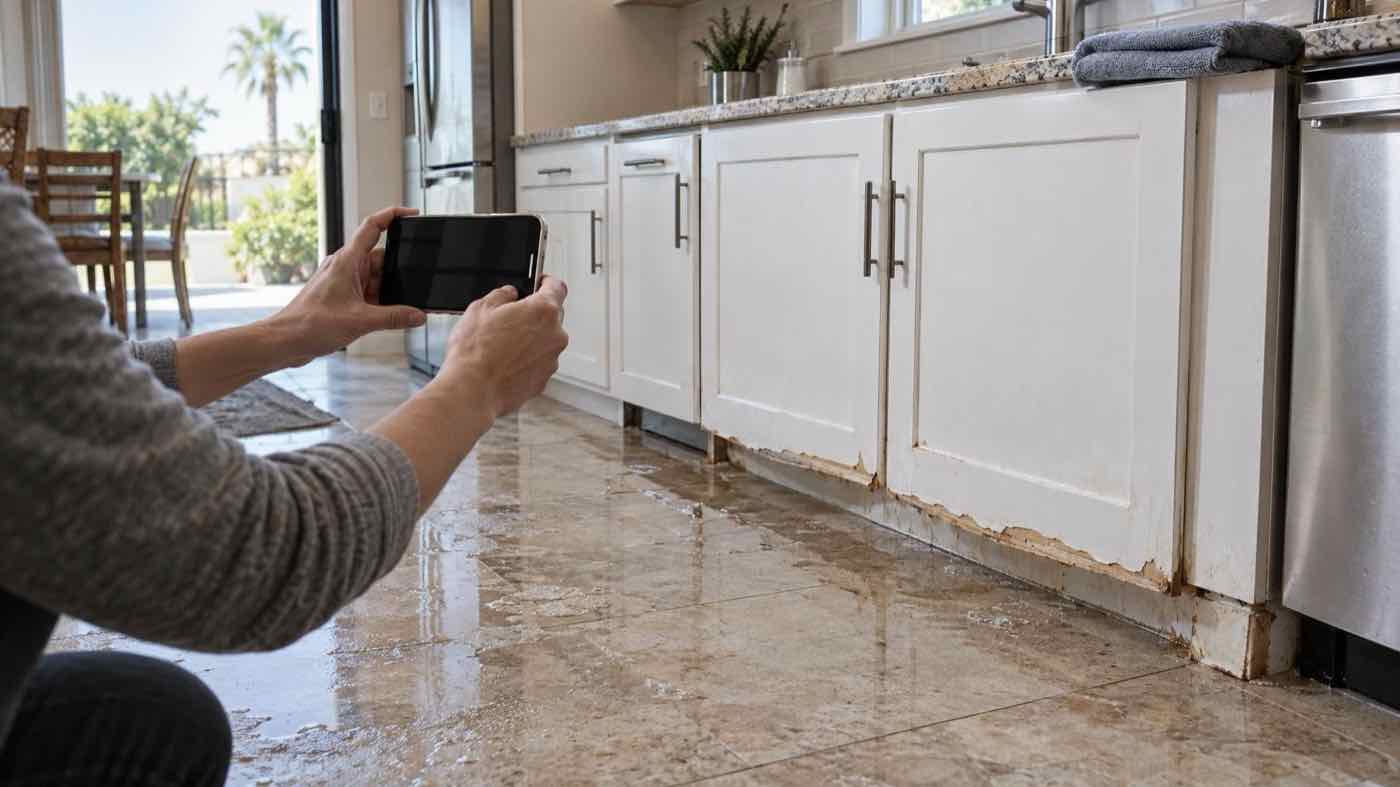
Insurers draw the line between a sudden event and a slow problem. A pipe that bursts on Tuesday is sudden. A drip under a sink that rotted the cabinet over a year is gradual, and gradual damage is commonly excluded.
- Often covered: burst supply line, failed appliance hose, water heater tank failure, accidental overflow
- Often excluded: slow drips, seepage, rot or mold from a long-running leak, damage from lack of maintenance
- Depends on the policy: [slab leaks](/slab-leak-detection-restoration-repair-services/), where many policies pay to access the pipe and repair the damage but not to fix the pipe itself
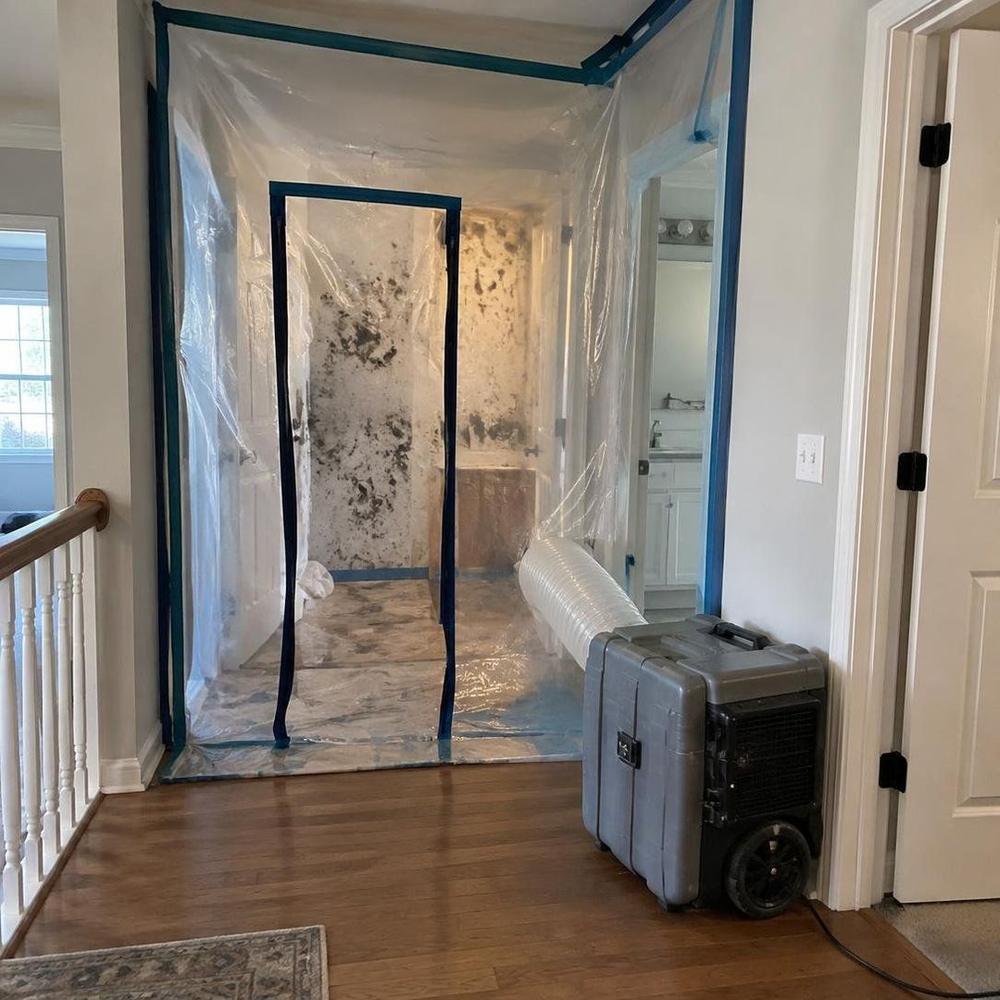
- Depends on the policy: [mold](/mold-remediation/), often limited or tied to a covered water loss
Is Flood Damage Covered by Homeowners Insurance?
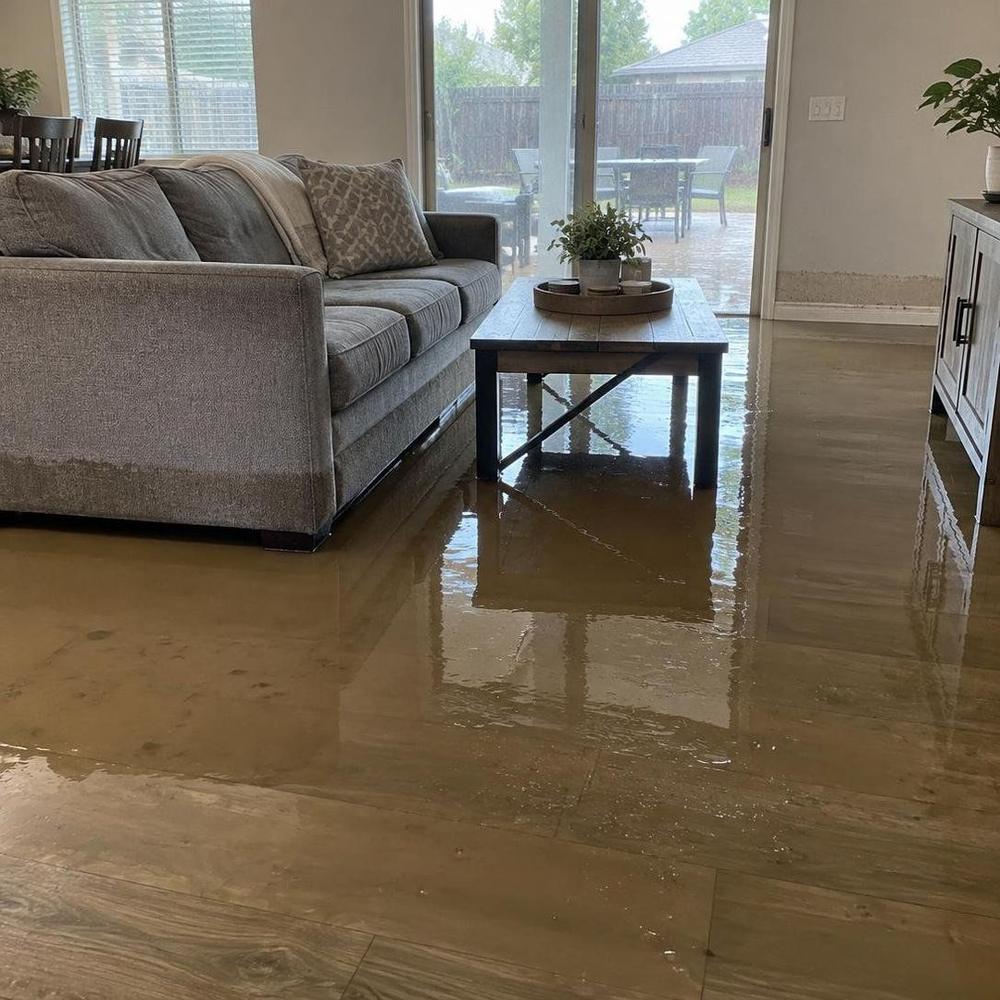
No. Standard homeowners policies exclude flooding from outside water such as storm runoff, overflowing waterways or mudflow. Flood coverage is a separate policy.
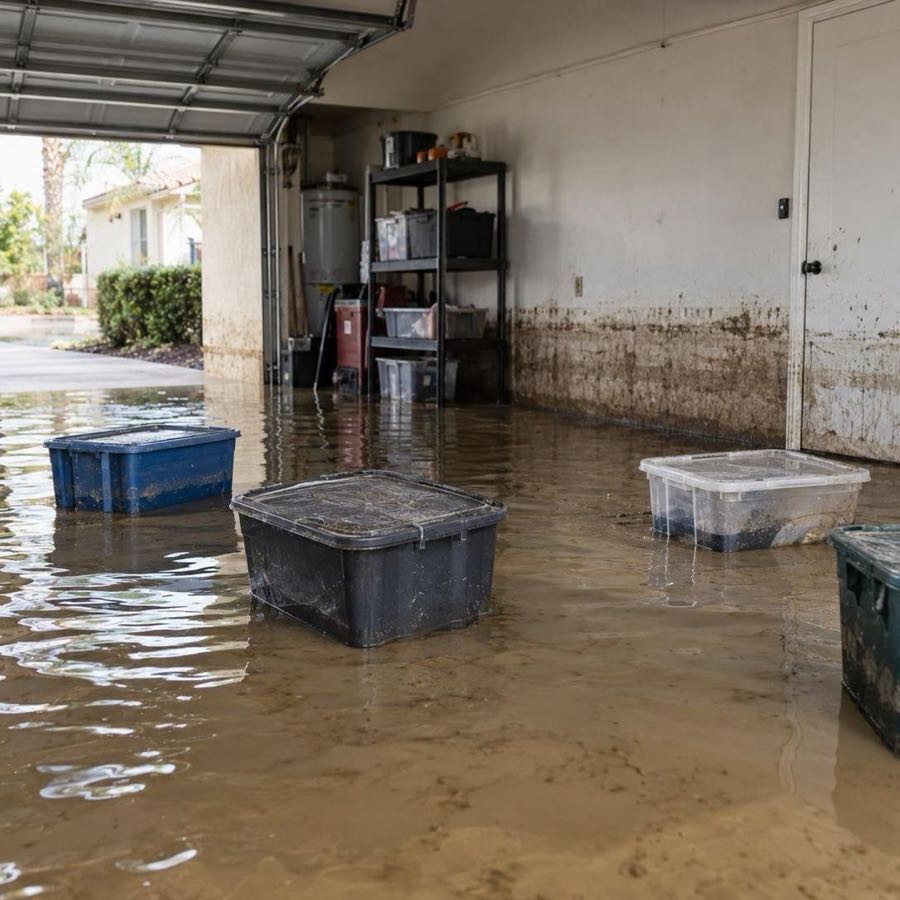
Flood insurance is available through the National Flood Insurance Program, run by FEMA, and from private insurers. FEMA notes there is typically a 30-day waiting period before a new NFIP policy takes effect, so it has to be bought before the storm season, not during it. See [flood damage cleanup](/flood-damage/) for what happens after outside water gets in.
What to Do First After Water Damage
Stop the water, protect people and belongings, document everything, and call your insurer. Your policy expects you to take reasonable steps to keep the damage from getting worse.
- Shut off the water at the fixture or the main valve, and turn off power to wet areas if it is safe
- Take dated photos and video of the source and every wet room before anything is moved
- Call your insurance company to report the claim and write down the claim number
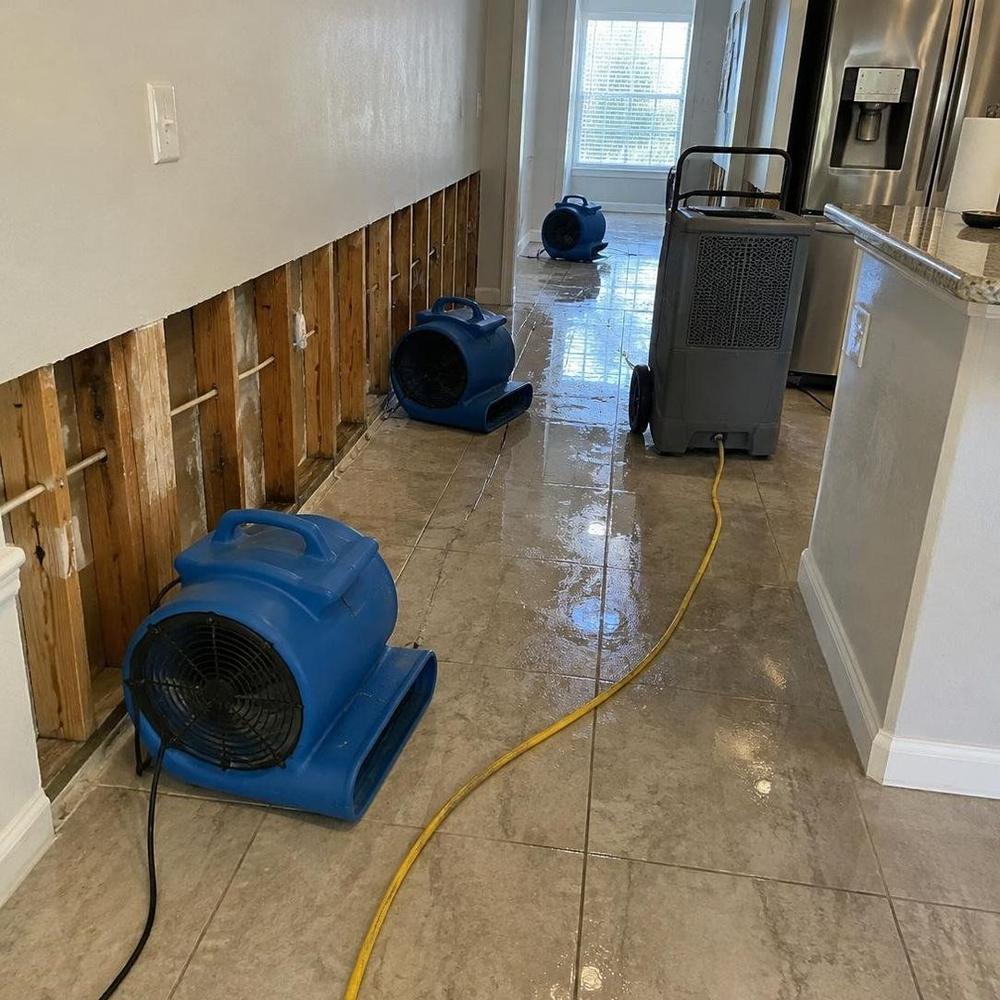
- Start drying quickly; the EPA advises drying within 24 to 48 hours to help prevent mold
- Keep receipts, moisture logs and damaged items until the adjuster says they can go
How a Restoration Company Helps With the Claim
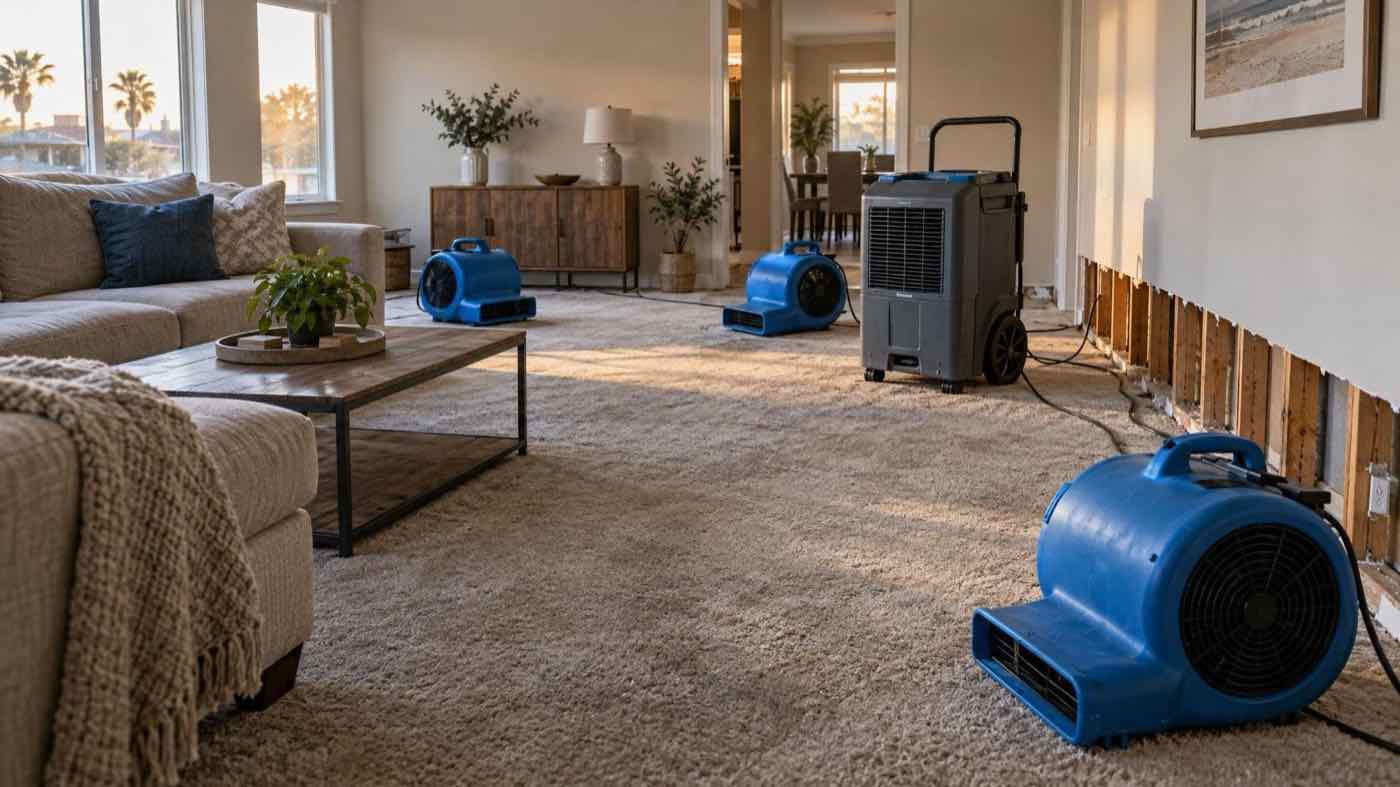
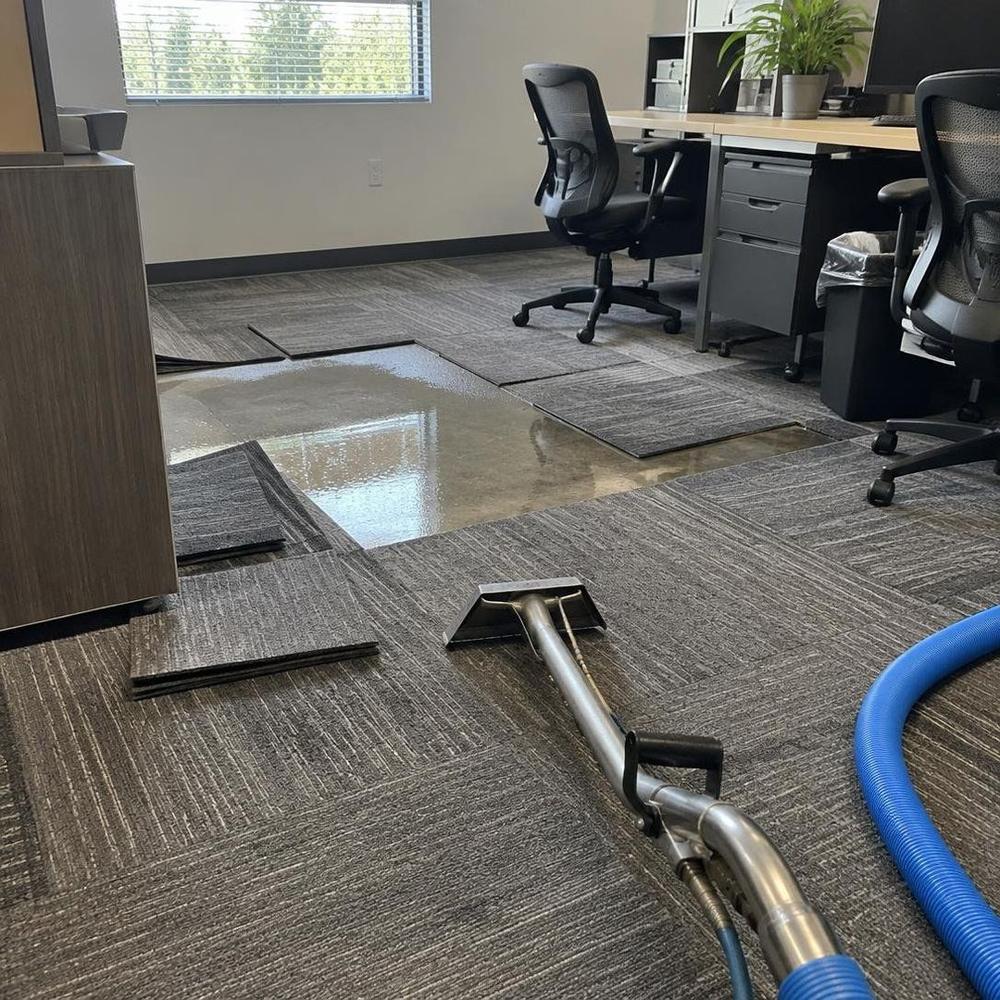
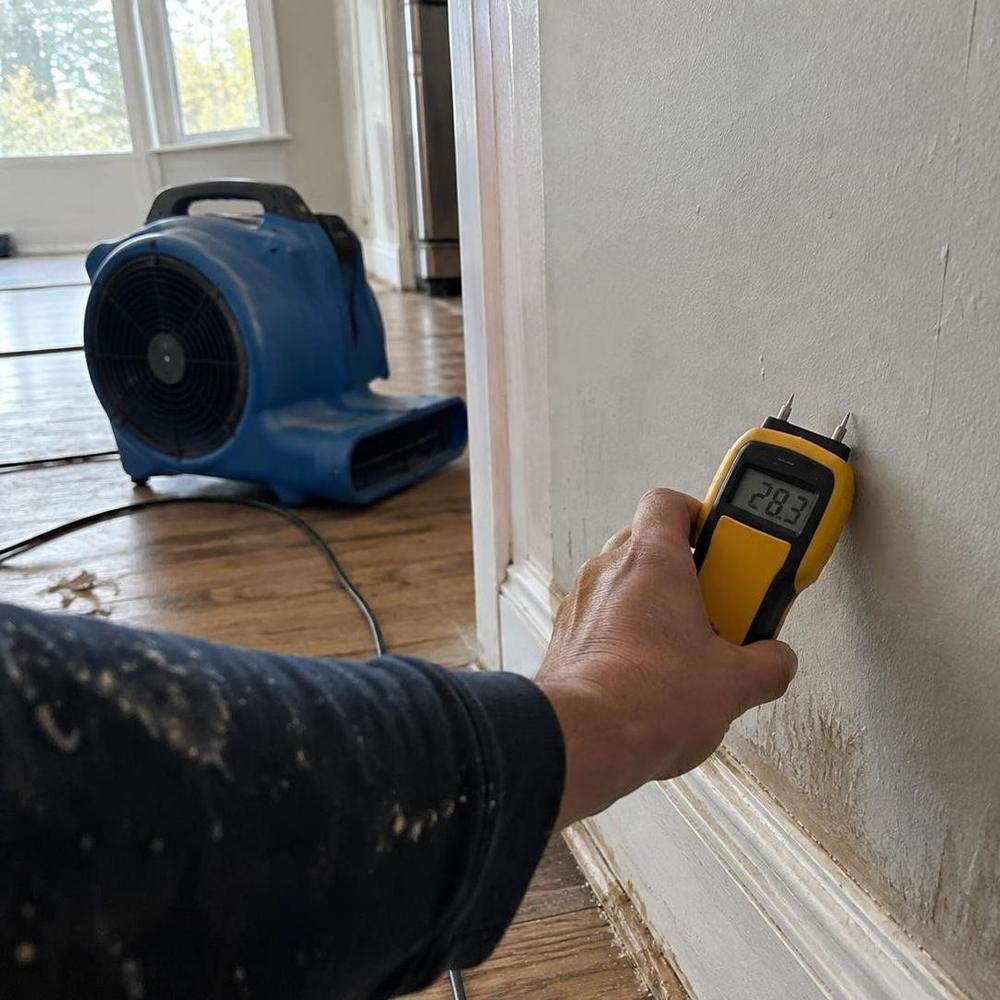
A restoration company documents the loss the way adjusters expect: photos, moisture maps, daily drying logs and an itemized scope.
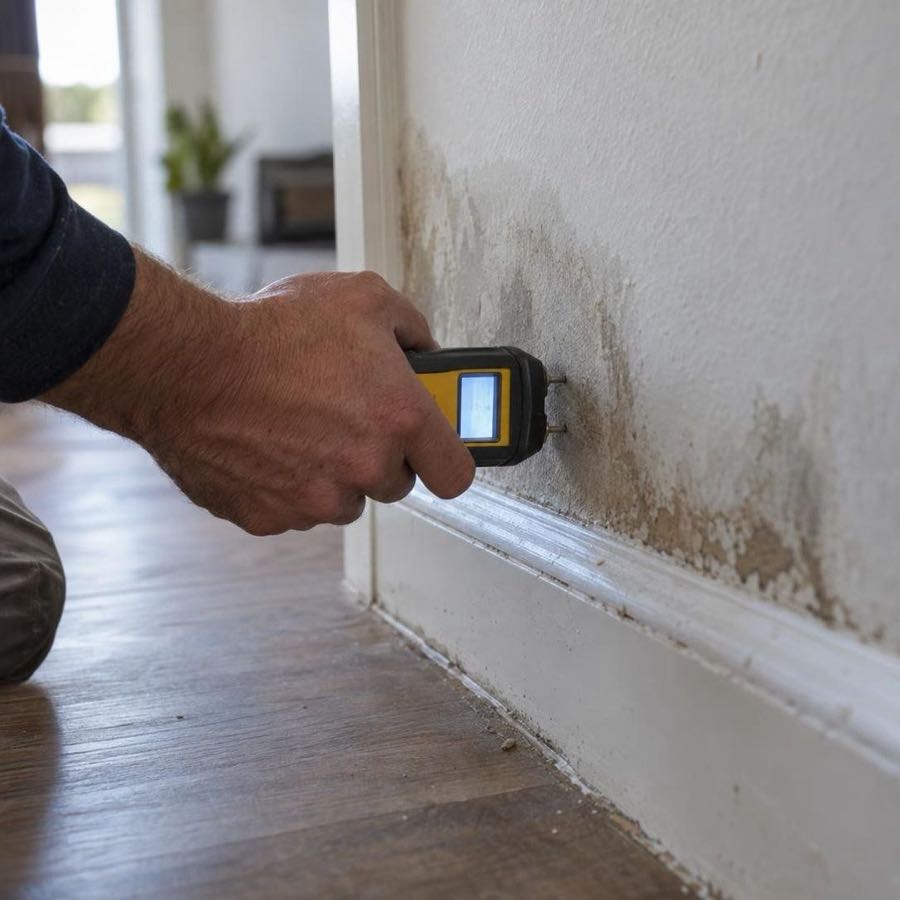
That documentation shows when the damage happened, how far it spread and why each material was dried or removed. It does not decide coverage; your insurer does that under your policy. Service Pros can start mitigation right away so the damage does not grow while the claim is reviewed. For drying timelines, see [how long water damage takes to dry](/blog/how-long-water-damage-takes-to-dry/).