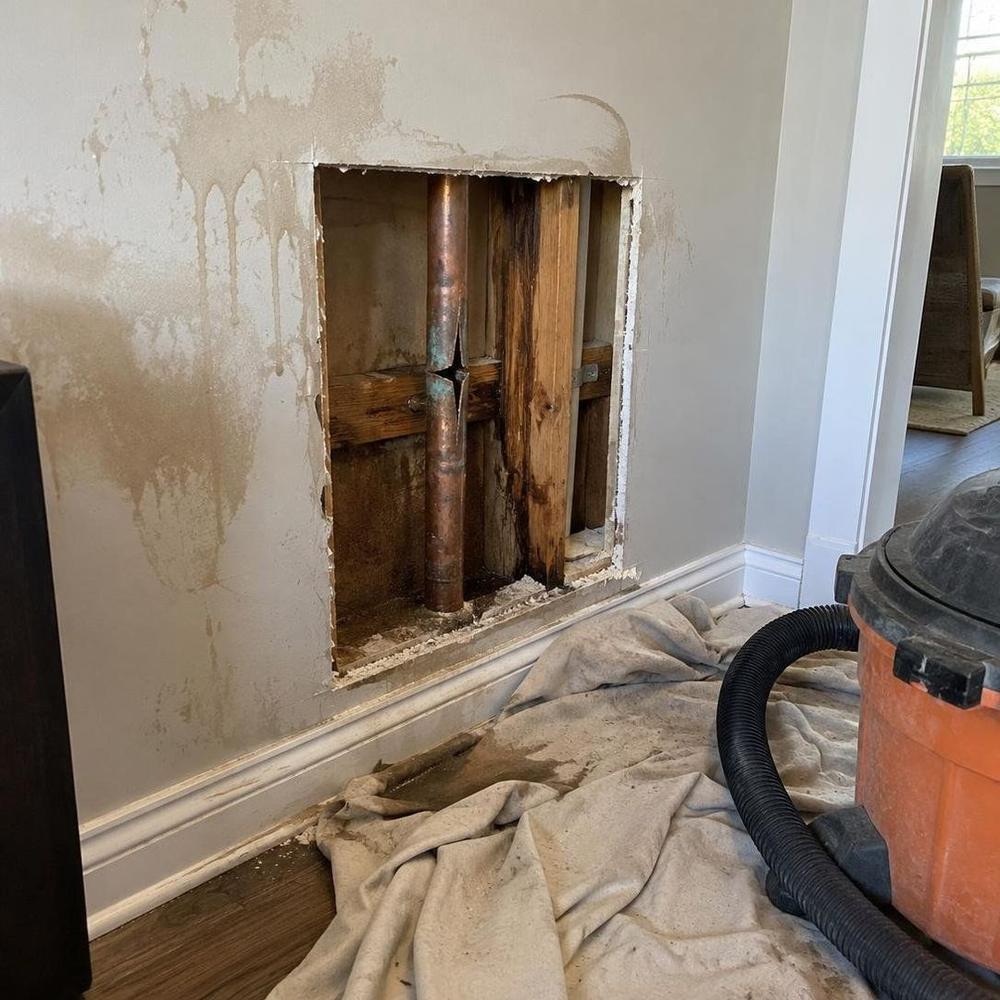
What Is a Copper Pinhole Leak?
A pinhole leak is a small hole that forms when pitting corrosion works through the wall of a copper pipe from the inside. It usually leaks slowly, which is why the damage is often found long after it starts.
Copper pitting is still not well understood. A 2021 review in AWWA Water Science by J. Gibson and B. Karney estimates that about 750,000 pinhole leaks occur in the United States each year, and the authors say researchers do not fully know why they form.
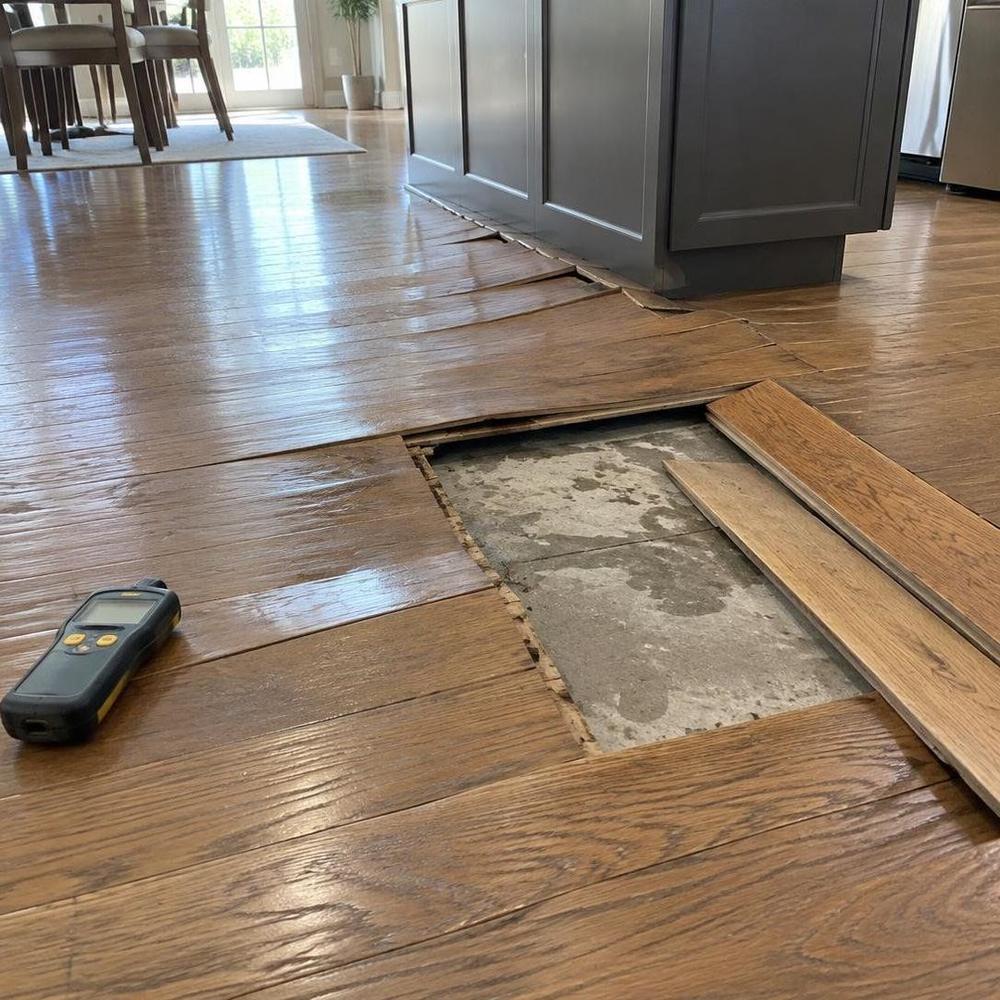
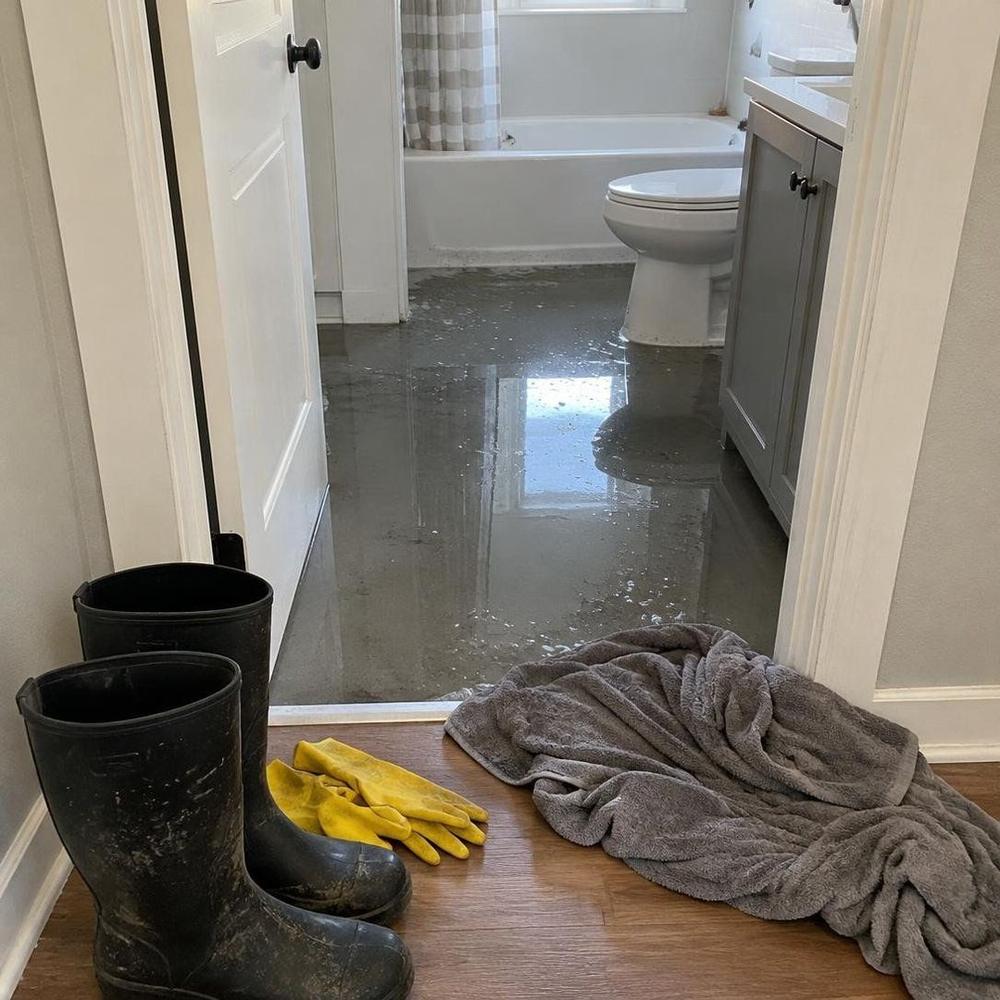
Because a pinhole drips or sprays a little water at a time, the first sign is rarely a puddle. Look for a stain on drywall or a ceiling, a soft or swollen baseboard, a musty closet, low pressure at one fixture, or a water meter that moves when everything is off. A pinhole in a supply line is under constant pressure, so it leaks around the clock, not only when a faucet is open.
Time is the problem. The U.S. EPA advises drying water-damaged materials within 24 to 48 hours to prevent mold growth, and a pinhole hidden inside an Irvine wall cavity can run far longer than that before anyone notices.
What Causes Pinhole Leaks in Copper Pipes?
No single cause explains every pinhole leak. Researchers and water utilities point to a mix of installation quality, conditions around the pipe and water chemistry.
The first six rows of the table below come from IRWD's Pipes and your water page. The last comes from the 2021 AWWA Water Science review, which suggests that in soft water, added alkalinity or a pH below 8.5 may reduce pitting, and that phosphate inhibitors can help in low-alkalinity water but may worsen pitting if coverage is incomplete.
Several of these causes are about the house, not the water. That is why two Irvine homes on the same street can have very different leak histories, and why a plumber looking at repeat pinholes should check grounding, pipe contact with concrete and installation quality along with the water.
| Possible cause | What it means | Source |
|---|---|---|
| Installation problems | Excess flux or poor solder joints, mixed pipe materials or sizes, and lines not flushed after installation | IRWD |
| Galvanic corrosion | Copper in contact with a dissimilar metal | IRWD |
| Electrical grounding | Faulty grounding on the plumbing system | IRWD |
| Pipe quality | Defective manufacturing or poor-quality pipe | IRWD |
| Concrete, soil and movement | Building movement, pipe buried in or touching concrete, and soil moisture and acidity | IRWD |
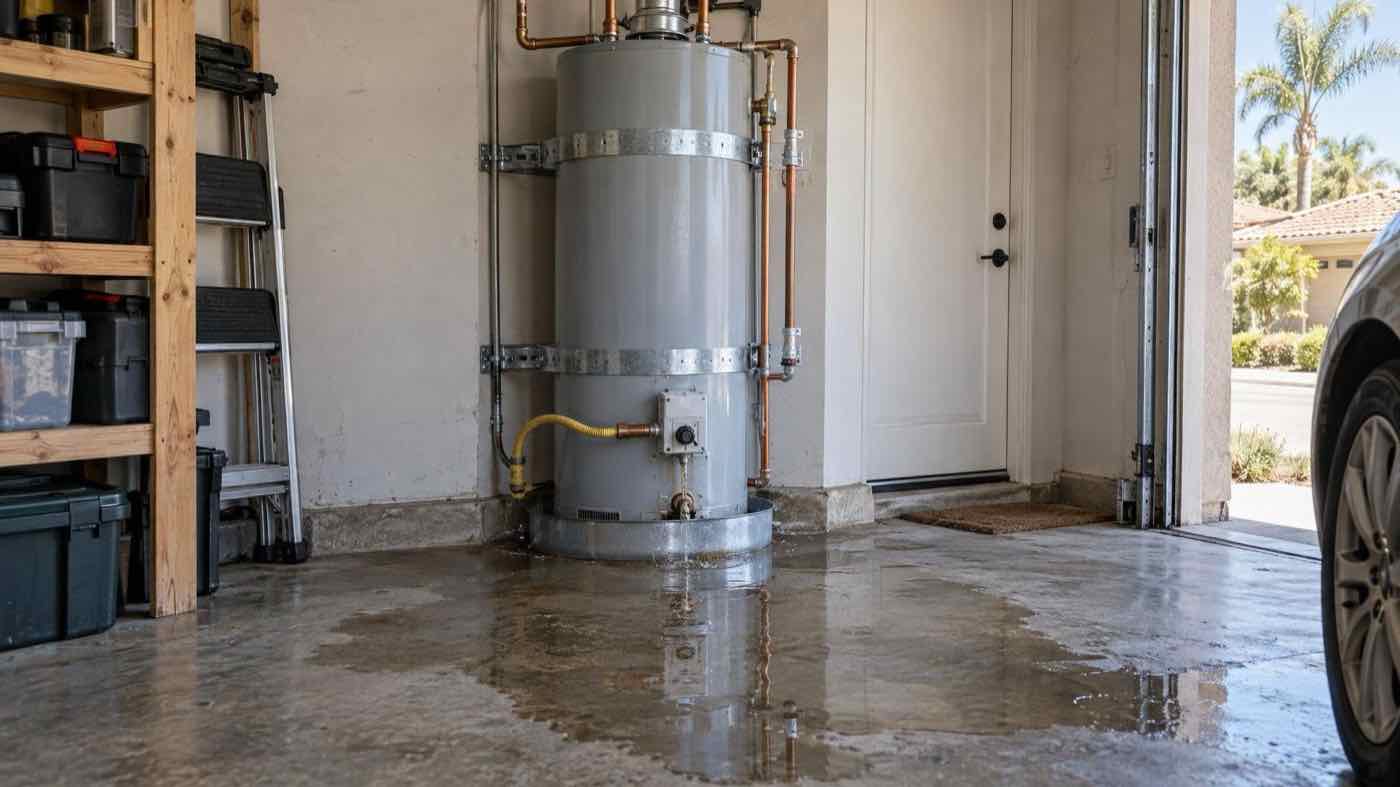
| Water heater sediment | Sediment from a water heater moving through the lines | IRWD |
| Water chemistry and biology | pH, alkalinity, phosphate inhibitors and biological growth inside the pipe | AWWA Water Science review |
Does IRWD Water Cause Pinhole Leaks in Irvine?
Irvine Ranch Water District, which serves Irvine, disinfects its water with chloramine and says it is not aware of any established relationship between its treatment process and pinhole leaks.
IRWD notes that industry studies and court cases on copper pitting and chloramine are voluminous, and it lists installation, grounding, galvanic, soil and water heater sources of pitting instead. The district cites the U.S. EPA: chloramine has been used by water utilities for almost 90 years, and its use is closely regulated.
The research picture is open rather than settled. The 2021 AWWA Water Science review lists the switch from chlorine to chloramine among questions that remain under-studied, along with sudden chlorine spikes and water hammer. For Irvine homeowners, that means neither “the water did it” nor “the water is fine” settles a repeat-leak problem on its own.
IRWD points customers to its annual Water Quality Report for testing results and Lead and Copper Rule information, and to a licensed plumber for home water pressure problems.
Check your water pressure
High pressure strains pipes and appliances. IRWD says pressure regulator valves have been standard in new homes since the 2000s, and that the Uniform Plumbing Code requires one when pressure to a new development exceeds 80 psi. IRWD recommends a qualified plumber adjust or service a regulator, because a wrong setting can push pressure too high or too low.
Should I Repair or Repipe After a Pinhole Leak?
A first pinhole in copper that is otherwise sound can often be repaired on its own. Repeat pinholes in different parts of the house point toward replacing the piping, because they suggest a system-wide problem rather than one bad spot.
Contractor magazine advises weighing pipe condition, water chemistry, repeat failures and the cost of restoring finishes when choosing between a spot repair, a reroute and a repipe. The City of Irvine treats a re-pipe as permitted work: its Residential Re-Pipe page asks for the number of fixtures and whether the job is PEX, copper or epoxy lining, quotes about one to three business days for permit processing, and subjects all work to field inspection.
California requires a Contractors State License Board license for work that needs a building permit or totals $1,000 or more in labor and materials, so a permitted Irvine re-pipe calls for a licensed contractor. Check the license number, its status and its bond at cslb.ca.gov before work starts.
| Option | What it involves | Usually fits |
|---|---|---|
| Spot repair | Open the wall, cut out the leaking section and replace it | A first leak in copper that is otherwise in good condition |
| Epoxy lining | Clean the pipe and coat the inside with a resin liner | Systems where opening many walls is costly; confirm the product and warranty |
| Repipe with PEX or copper | Replace the supply piping, usually through the attic and walls | Repeat leaks in different places, or the same failure coming back |
What Should I Do After a Pinhole Leak?
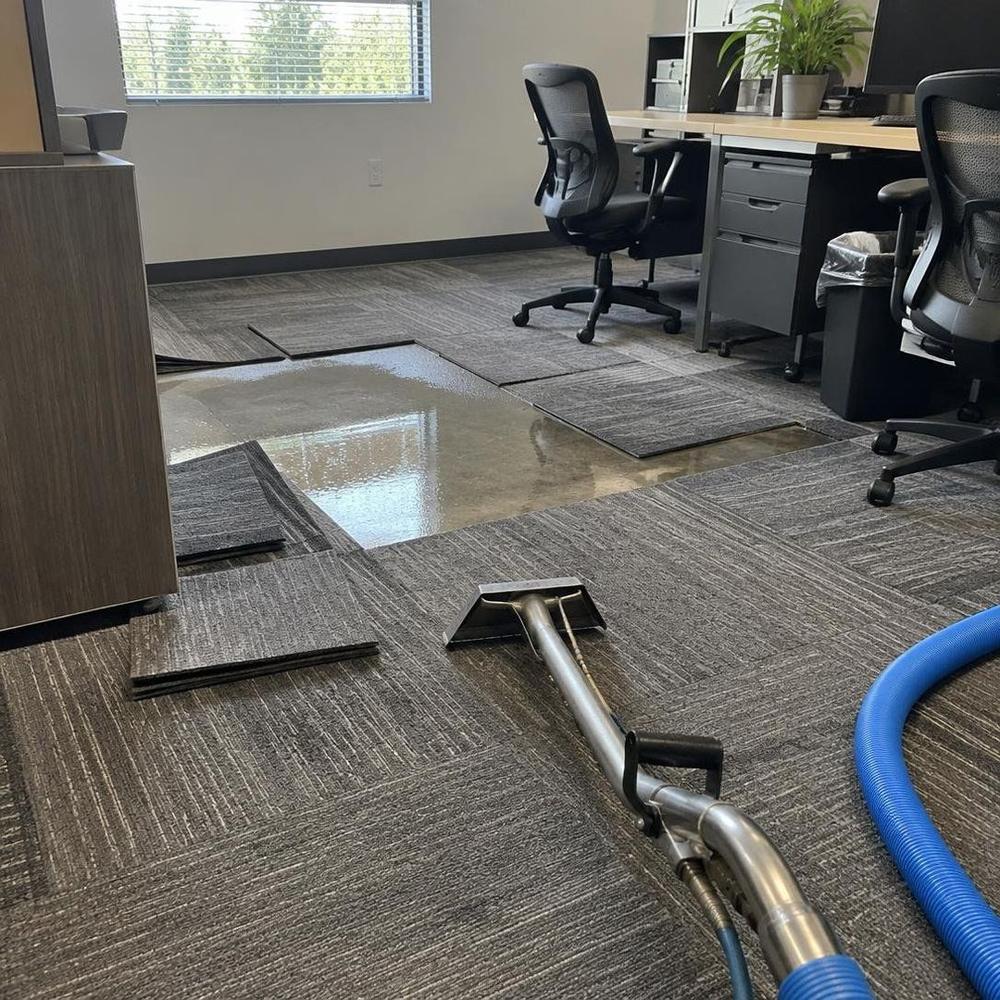
Shut off the water, find out how far the water traveled, and start drying the same day. The pipe repair and the water damage are separate jobs, and the water damage is the one that keeps growing.
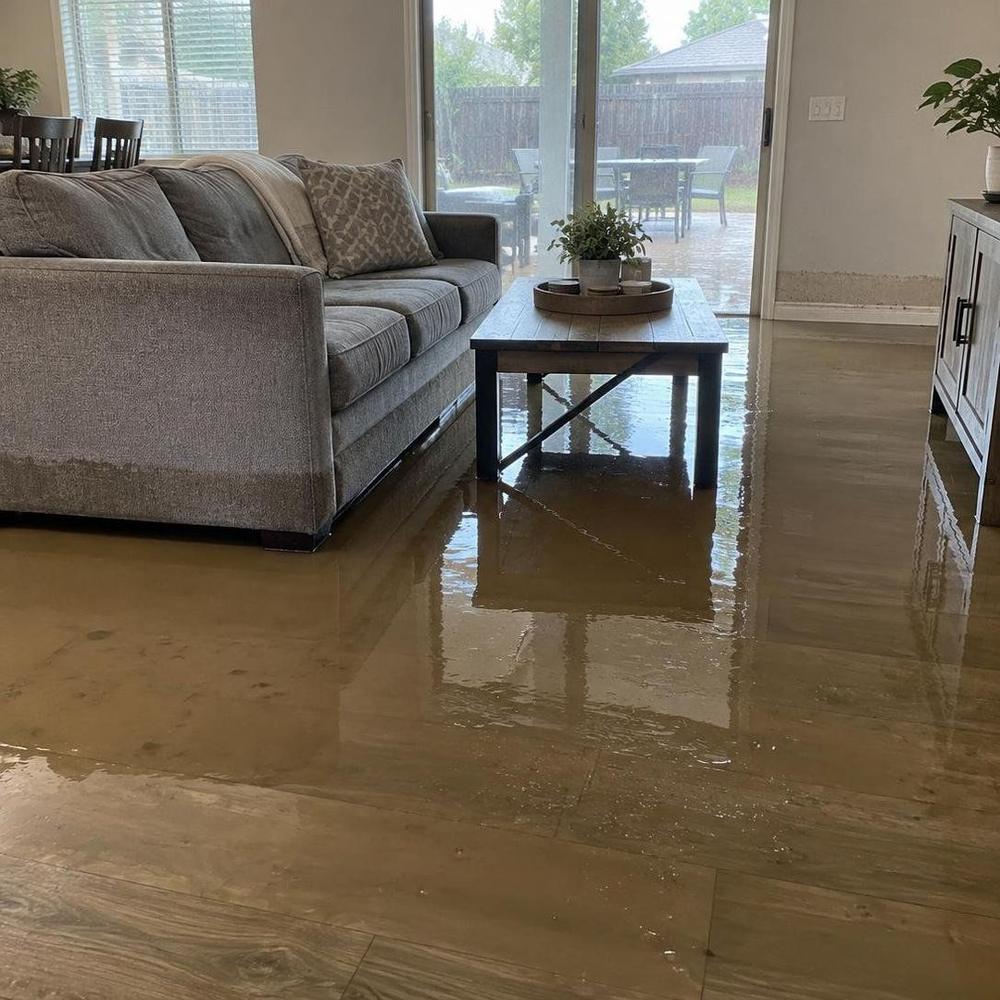
Clean water from a supply line is Category 1, the cleanest of the three water categories, but clean water left standing can become Category 2 or 3, which changes what has to be removed. In an Irvine condo or townhome, notify the association too; the guide who pays for HOA water damage in Irvine explains why.
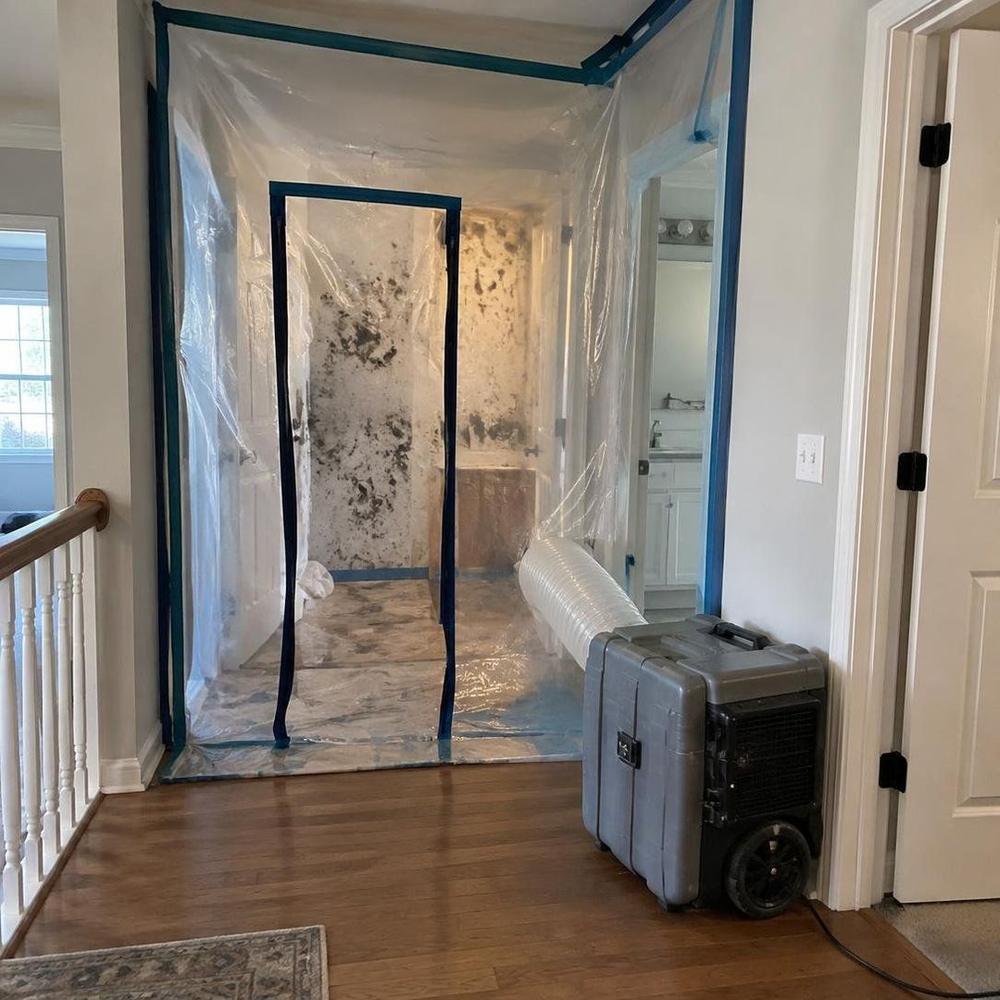
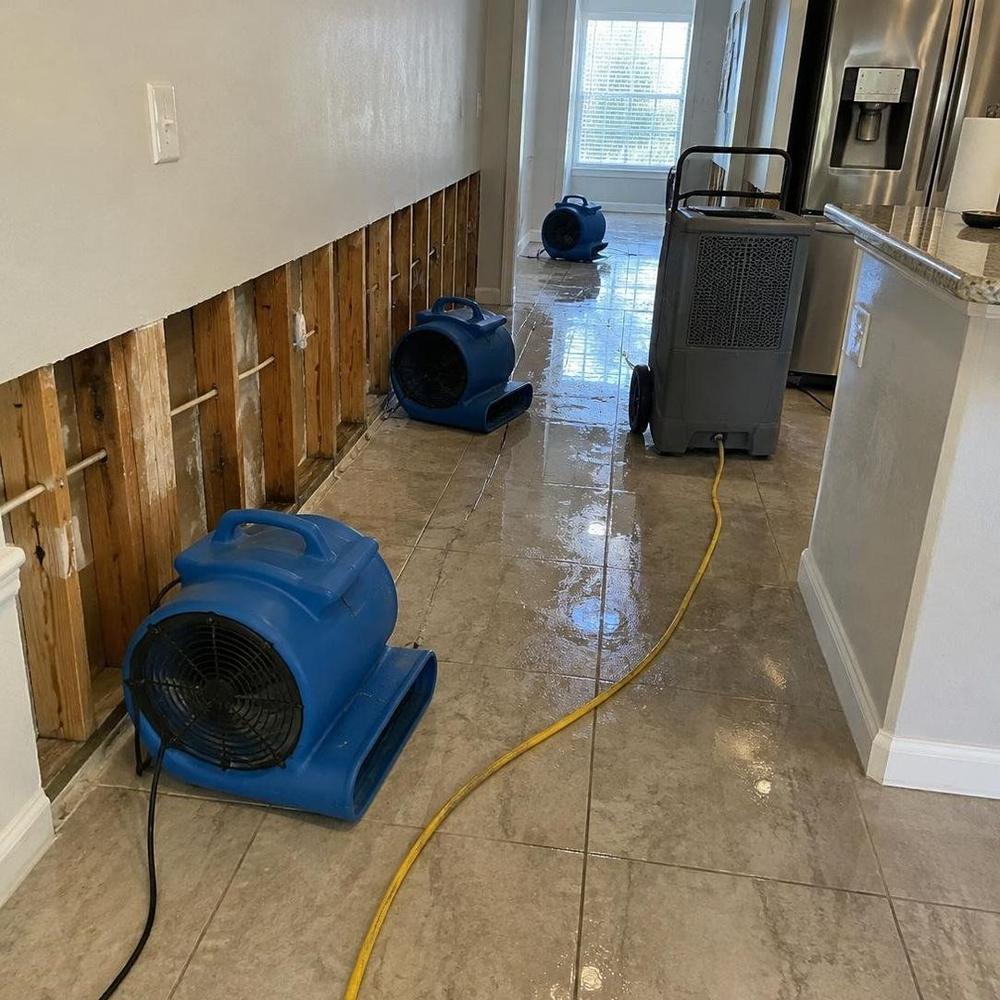
Service Pros handles burst pipe repair near Irvine and water mitigation, including opening the wall, drying the cavity and rebuilding it. If moisture sat long enough for mold to grow, mold remediation comes before the rebuild.
- Close the fixture valve, or the house valve, which IRWD says is typically near a hose bib.
- Turn off power to any wet room if the breaker can be reached safely.
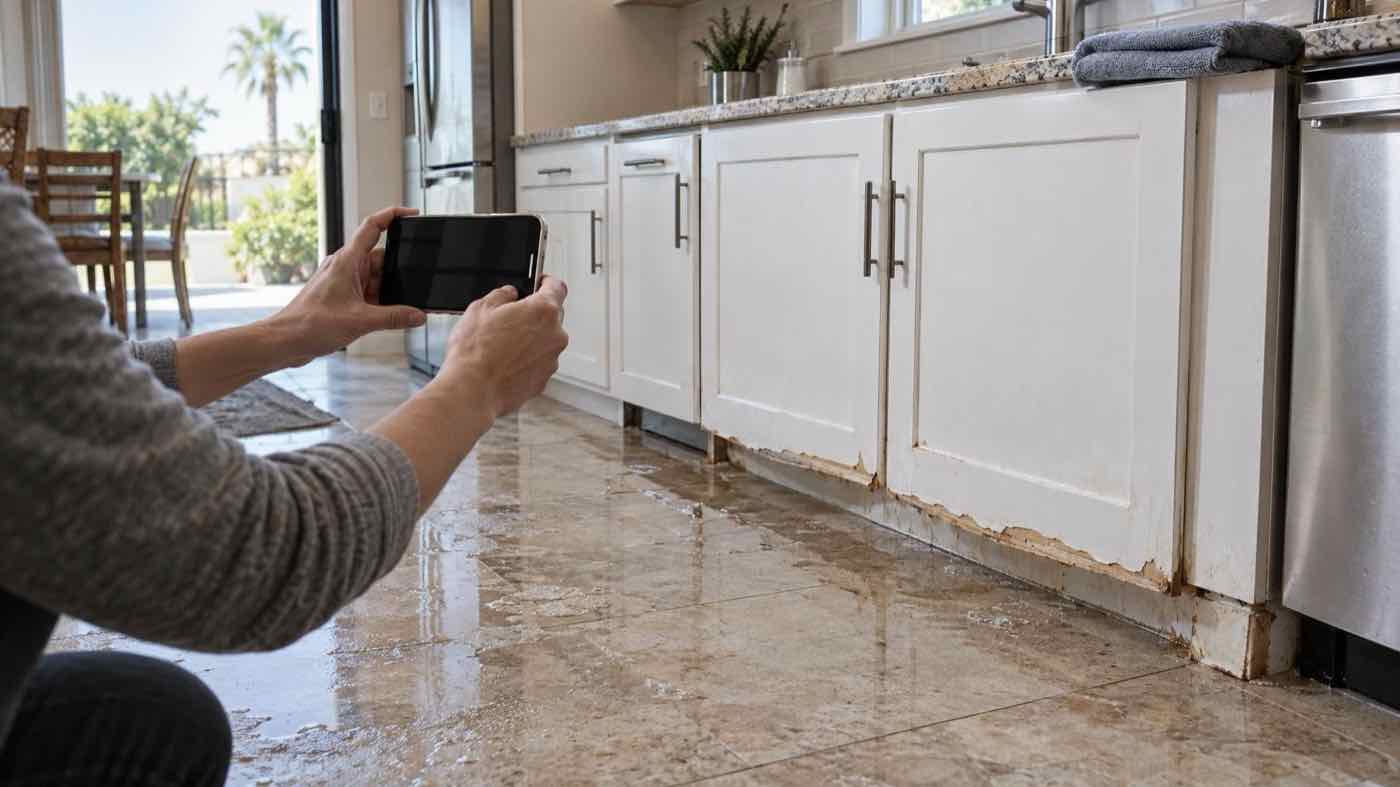
- Photograph the leak, the pipe and every wet surface before anything is removed.
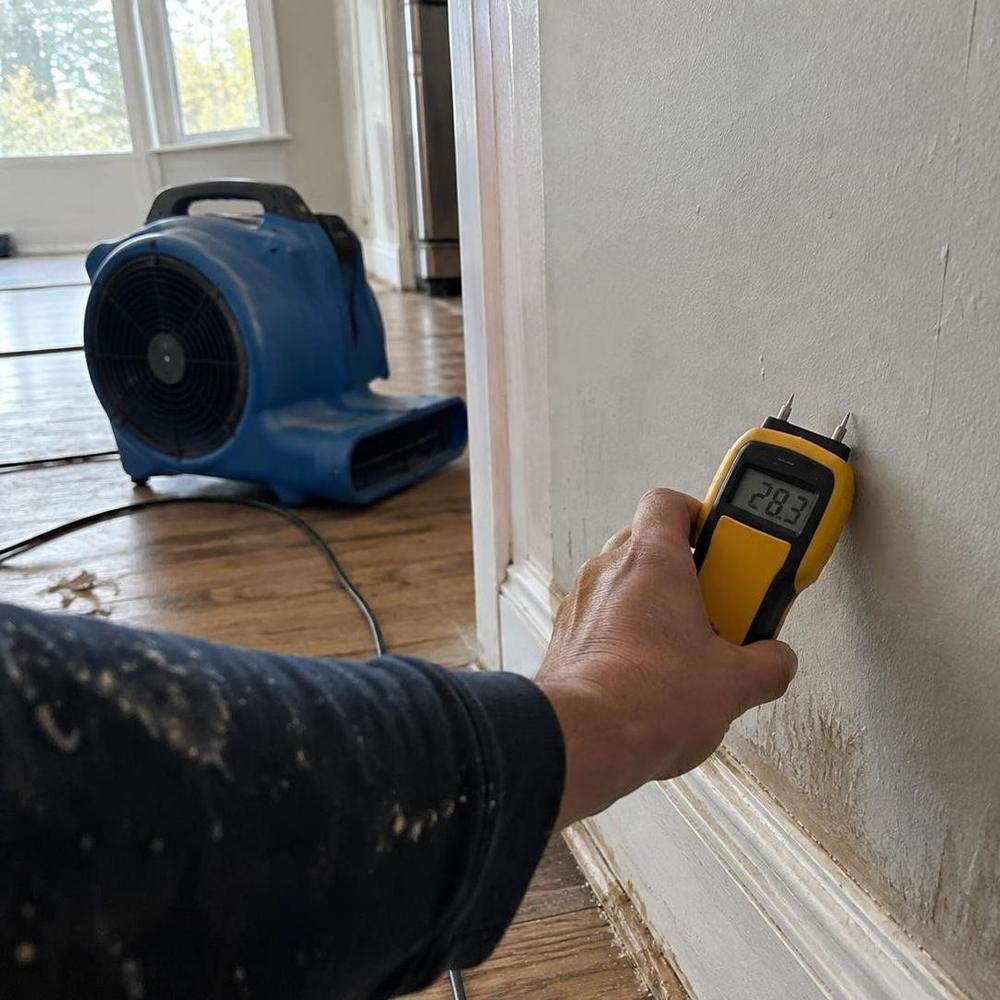
- Have the wet boundary mapped with moisture meters in the wall cavity, the floor and the rooms beside or below.
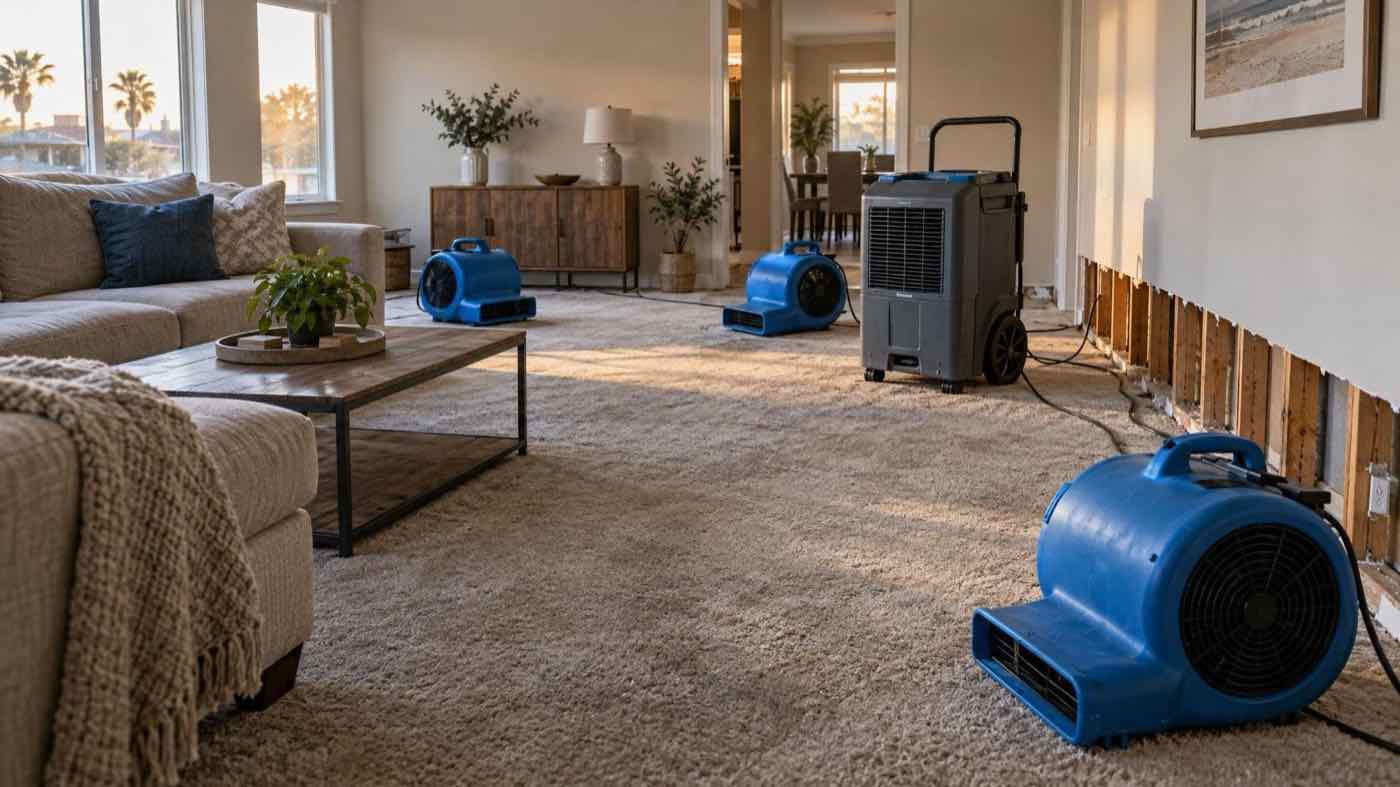
- Get the pipe repaired, then dry the structure until readings reach the dry standard for each material.
Does Insurance Cover a Pinhole Leak?
Homeowners insurance typically covers sudden and accidental water damage and generally excludes damage from seepage or slow leaks, according to the California Department of Insurance. A pinhole sits right on that line, so how fast it was found and reported matters.
Insurers commonly treat the failed pipe itself as a maintenance item even when they pay for the water damage it caused. COUNTRY Financial's plumbing guide describes damage from gradual pipe corrosion as wear and tear that is generally not covered, and the CDI guide lists mold among perils usually excluded. Ask your adjuster which costs are being treated as the pipe repair and which as resulting water damage, and get that split in writing.
Report a pinhole leak as soon as you find it, keep the photos and daily drying logs, and read the water damage section of your policy. If the leak damaged a neighbor's unit or a common wall, your HOA's master policy may also be involved. General information only, not insurance advice. Your own policy wording decides the claim.