Water damage restoration, mold remediation and fire damage repair Find your local office

Drying time guide

How Long Does Water Damage Take to Dry?

Quick answer

How long does water damage take to dry? Most homes take about 3 to 5 days to dry with professional air movers and dehumidifiers, but hardwood, concrete slabs and plaster can take longer. The EPA advises drying wet materials within 24 to 48 hours to help prevent mold. The job is done when moisture readings reach the dry standard, not when surfaces feel dry. Call your local Service Pros office: Irvine (949) 209-1582 or Las Vegas (725) 677-6900.

Quick facts

  • Mold window Dry wet materials within 24 to 48 hours (EPA)
  • Typical drying About 3 to 5 days with equipment
  • Slower materials Hardwood, concrete slab, plaster, cabinets
  • Finish line Moisture readings at the dry standard
  • Evaluation Free on-site evaluation

Free water damage evaluation

We call you back.

4.8★
49 Google reviews
4
Damage types: water, mold, fire, sewage
9
Restoration services
Free
On-site evaluation
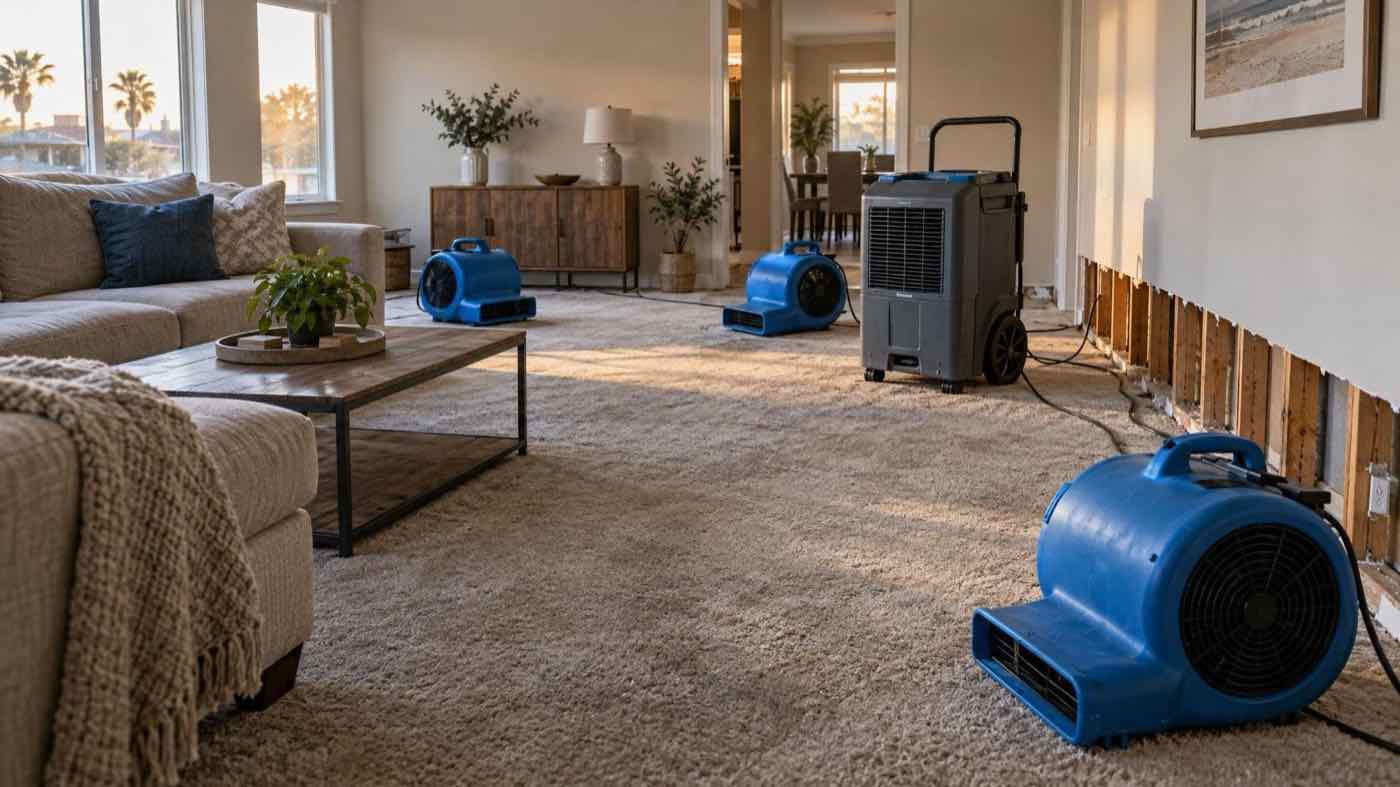
Air movers and a dehumidifier drying a living room carpet with the baseboards removed

How Long Does It Take to Dry a House After Water Damage?

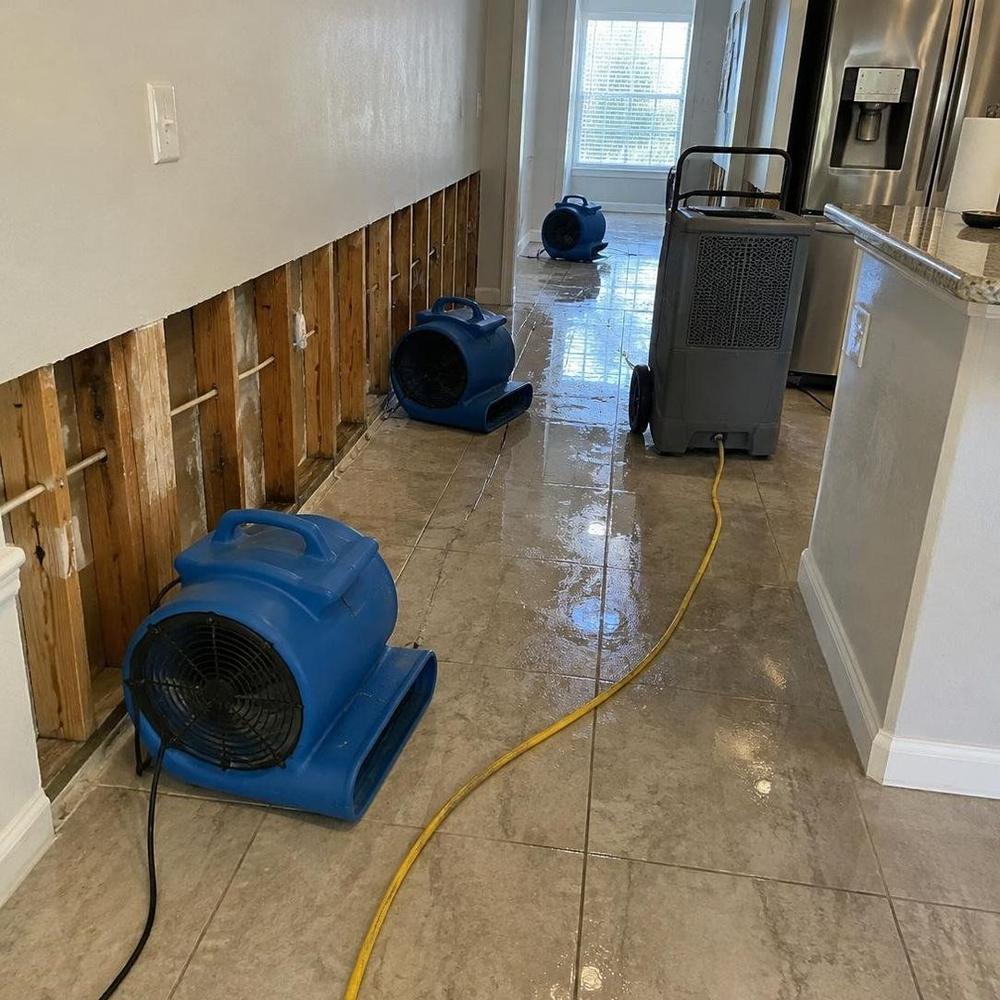
A typical water-damaged home takes about 3 to 5 days to dry once extraction is finished and drying equipment is running. That range is a planning estimate. The real finish line is a moisture reading that matches the dry standard for each material.
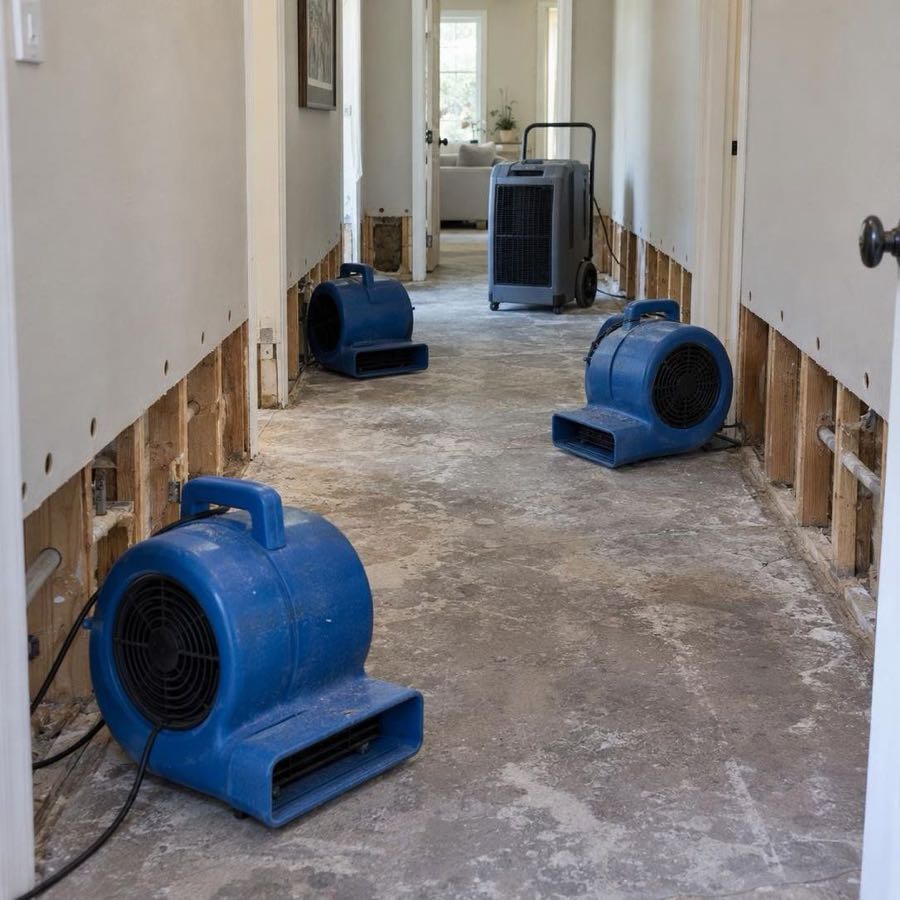
Air movers and a dehumidifier drying a hallway with the baseboards removed

Speed matters most in the first two days. The U.S. Environmental Protection Agency says water-damaged areas and items should be dried within 24 to 48 hours to help prevent mold growth. That is why a [water mitigation](/water-mitigation-service/) crew extracts standing water first and sets drying equipment the same day.

Drywall and carpet pad that got wet from a clean supply line often dry within the first few days. Dense materials such as hardwood, concrete and plaster hold water deeper and give it up slowly, so they set the pace for the whole job.

What Changes How Long Drying Takes?

Five things decide most drying timelines: how much water got in, how long it sat, what it soaked into, the weather inside the house, and how well the equipment is set up.

  • Volume and spread: a toilet supply line that ran for an hour can reach two rooms; a water heater that emptied overnight can reach half a house
  • Time before drying started: water that sits for days wicks up walls and into subfloors
  • Materials: hardwood, concrete slab, plaster and built-in cabinets dry slower than drywall and carpet
  • Water category: sewage or flood water means more material is removed instead of dried
  • Air conditions: closed-up humid rooms dry slower; dehumidifiers and air movers control this

How Do Pros Know the House Is Actually Dry?

A house is dry when moisture readings in the wet materials match readings in the same materials in an unaffected room, which is the reference called the dry standard.
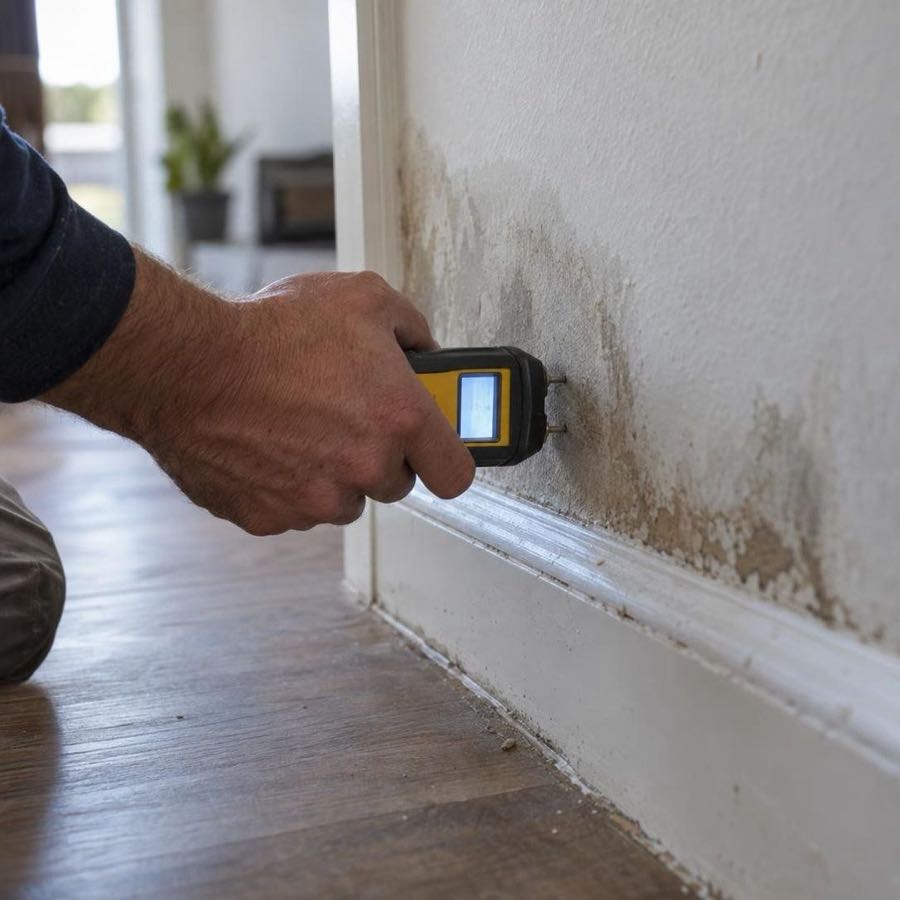
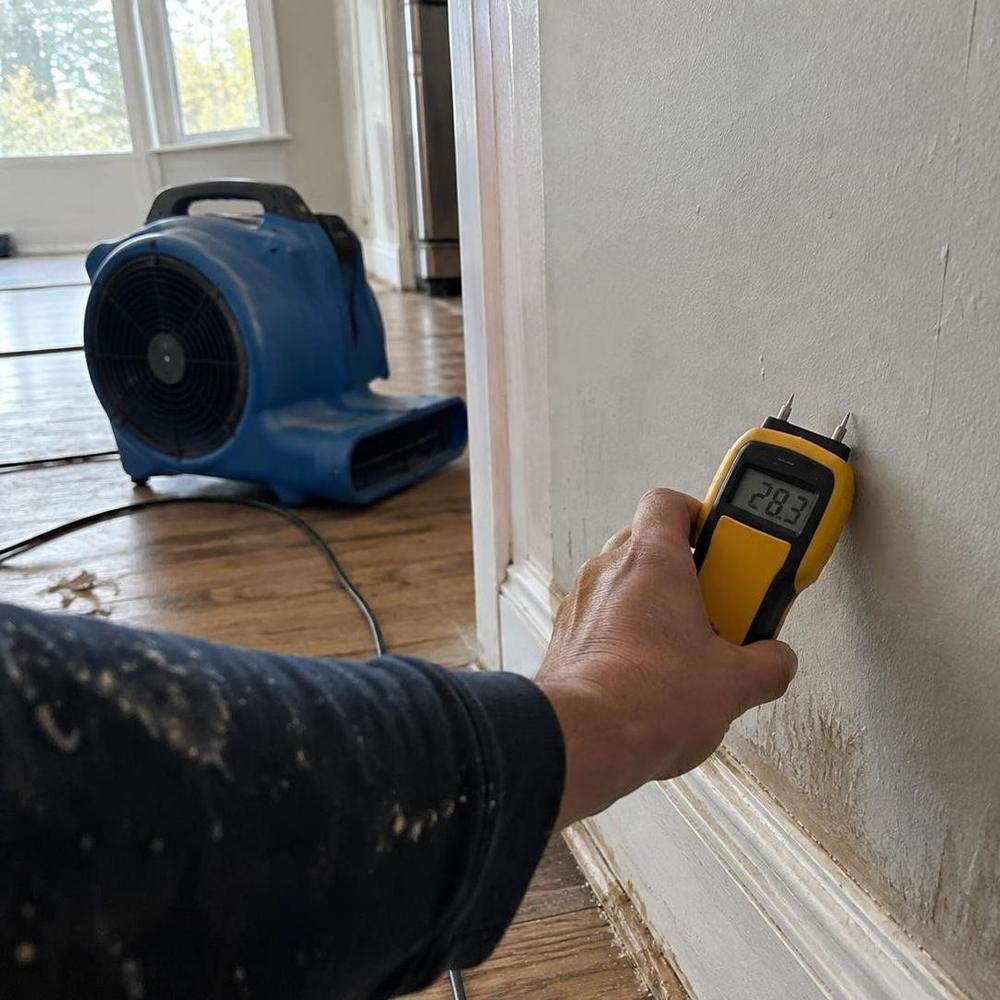
Moisture meter checking damp drywall during structural drying

Technicians take readings with pin and pinless moisture meters and log them each day. A surface can feel dry to the touch while the wood or drywall behind it is still wet, so the readings decide when equipment comes out.

Daily logs also matter for insurance. They show the adjuster when drying started, what changed each day and when each area reached its goal.

Drying Times by Material

These are general ranges for clean-water losses with professional equipment running. Your own job can be faster or slower depending on how long the water sat.

Typical drying ranges with professional equipment (clean water)
MaterialTypical rangeWhy
Carpet and pad1 to 3 days, or pad replacedOpen fibers dry fast; soaked pad is often replaced
Drywall2 to 4 daysDries well once airflow reaches both sides
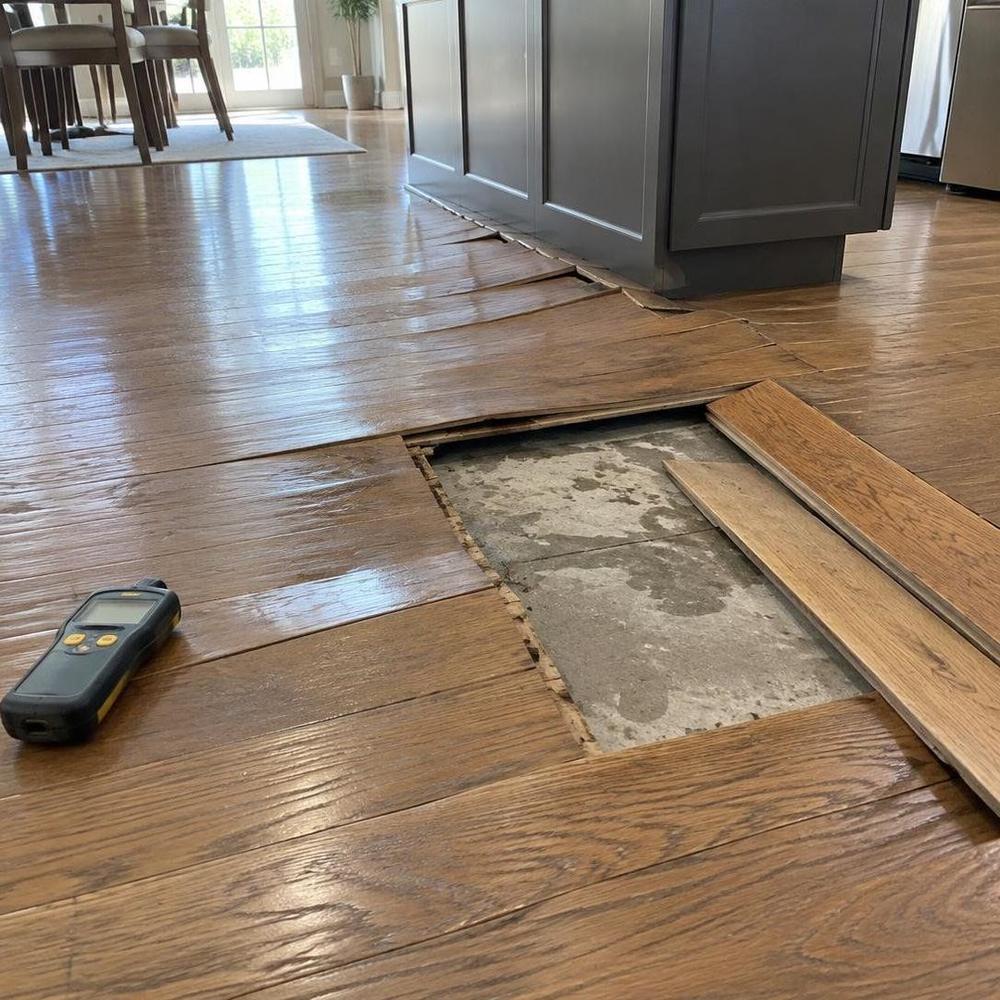
Hardwood floors5 days to 2 weeks or moreDense boards release water slowly and can cup
Concrete slabSeveral days to weeksHolds water deep in the slab
Plaster walls1 week or moreThick and dense

Can You Dry Water Damage Yourself?

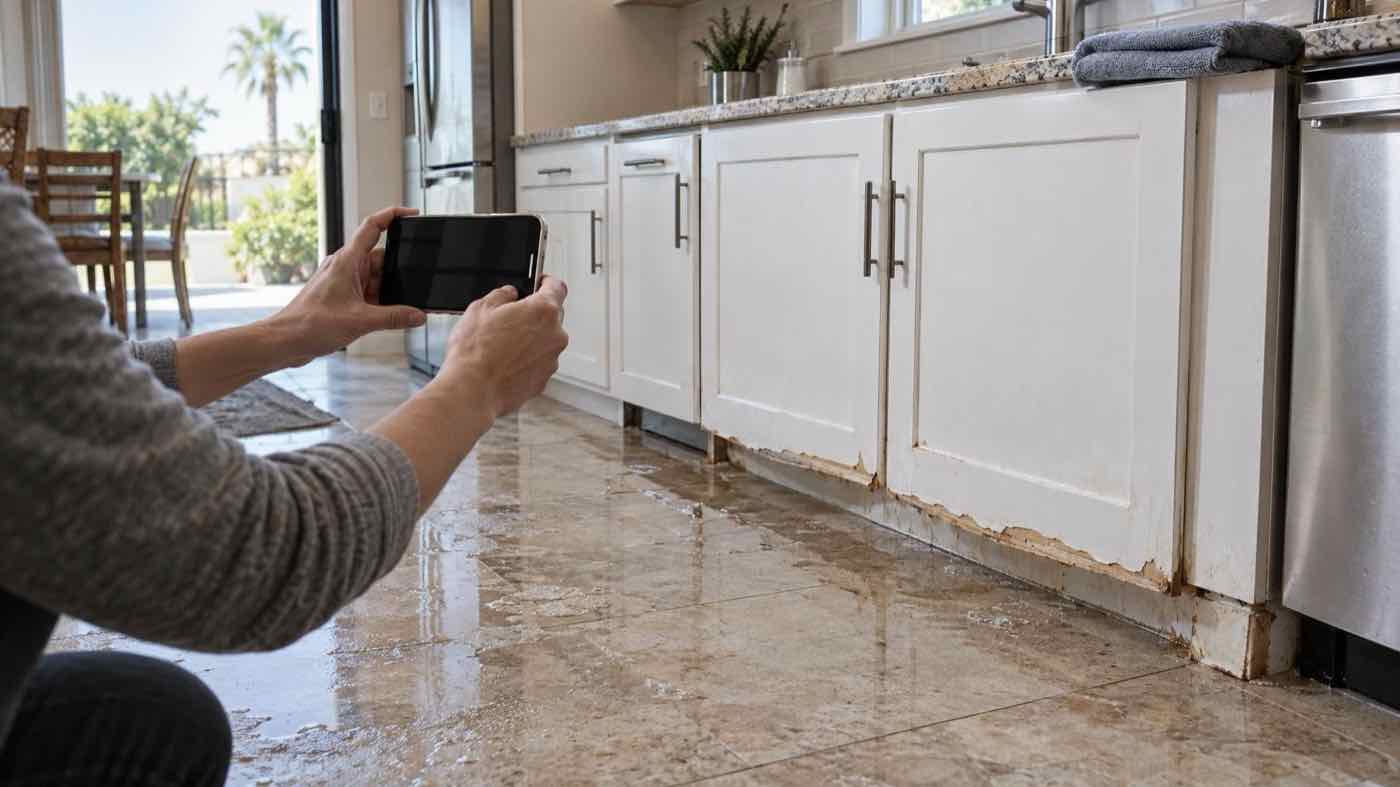
A small, clean spill that is caught quickly can often be dried with fans and a household dehumidifier. Water that ran for hours, reached walls or subfloors, or came from a toilet or sewer line needs professional equipment and moisture readings.

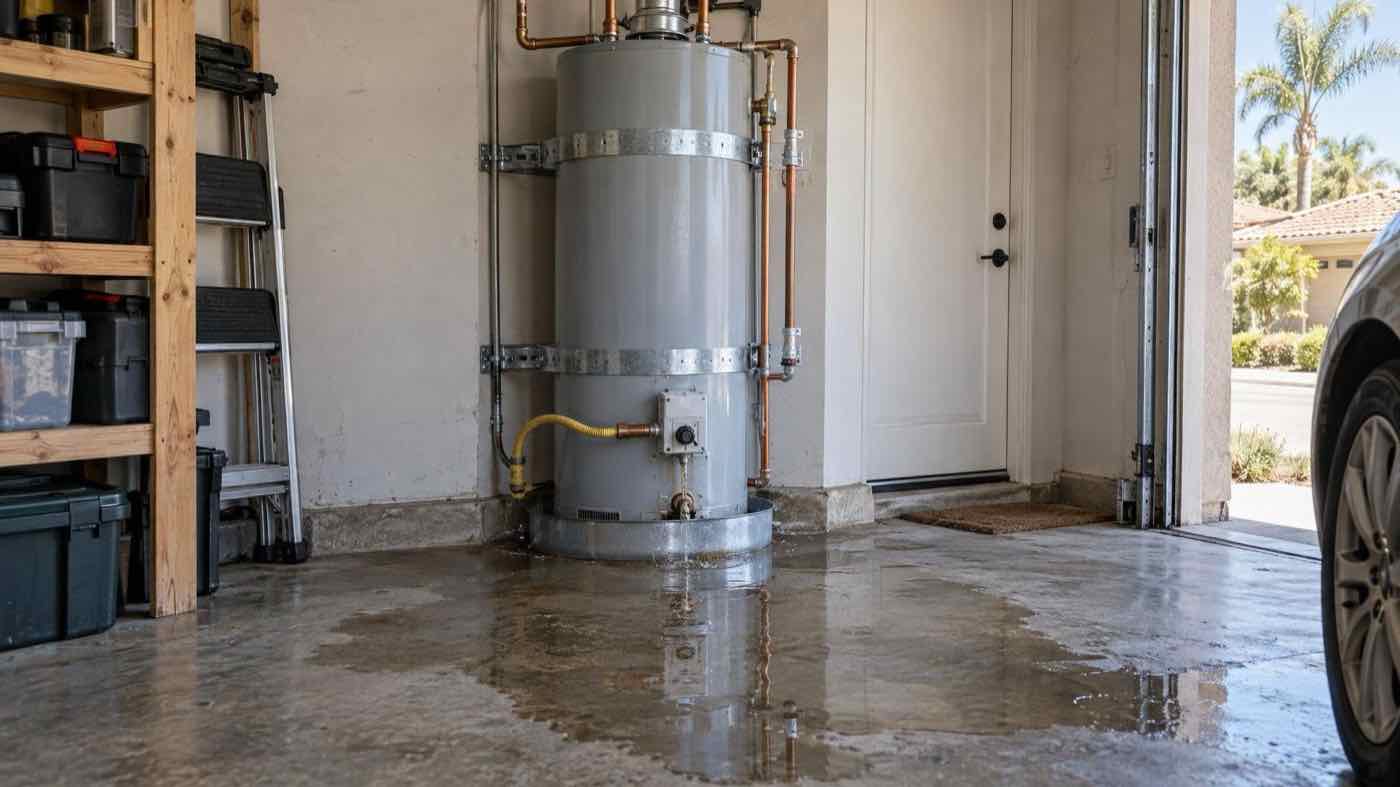
The risk with do-it-yourself drying is water you cannot see. Moisture trapped under flooring or inside a wall cavity can stay wet long after the room looks fine, which is where mold starts. If you are not sure, a free on-site evaluation with a moisture meter answers the question. See [what to do when a water heater leaks](/blog/water-heater-leak-what-to-do/) for the first steps in a common case.
Water still running?

Shut off the main valve, then call your local office.

What Service Pros Customers Say

4.8 out of 5 from 49 reviews on the Service Pros Google listing, checked November 24, 2026.

★★★★★
“These guys did very nice work ..removed all the mold from my kitchen and storage/basement area . They are fast and efficient!!”
Quin D., Google review
★★★★★
“Had some mold issues after a severe water leakage. Not only did they get the job done but took the time to explain in detail what needed to be done. I appreciate that as most people today don't take time to make sure the customer understands everything.”
Abraham R., Google review
★★★★★
“All that was missing was a cape, these guys were full on superheros! Quickly turning my unexpected disastrous situation into a distant memory! Thanks again!”
Patricia J., Google review
★★★★★
“Wonderful service! They were pleasant on the phone, answered all my questions, and provide emergency services. Their technicians are experienced and know what they’re doing.”
Amber D., Google review

Drying Time Questions, Answered

How long does water damage take to dry?

Most homes take about 3 to 5 days with professional air movers and dehumidifiers. Hardwood, concrete slabs and plaster can take a week or more. The job is finished when moisture readings reach the dry standard.

How fast does mold grow after water damage?

The EPA advises drying water-damaged materials within 24 to 48 hours to help prevent mold growth. After that window, mold can begin on wet drywall, wood and carpet pad.

Why does drying take longer than the cleanup?

Extraction removes standing water in hours, but water absorbed into wood, drywall and concrete has to evaporate slowly. Dehumidifiers pull that moisture out of the air so materials can keep releasing it.

Do I have to leave my home during drying?

Often not. Equipment is loud and runs around the clock, but many families stay home during clean-water drying. Sewage, mold or major demolition can change that.

Will insurance pay for drying?

Many homeowners policies cover sudden, accidental water damage, including drying. Coverage depends on your policy and the cause. See our guide on homeowners insurance and water damage in California.

Call your local Service Pros office.

Phone numbers, addresses and hours for each office are on the Locations page.

Find your office

Request a free evaluation

We call you back.

Call (949) 209-1582Locations